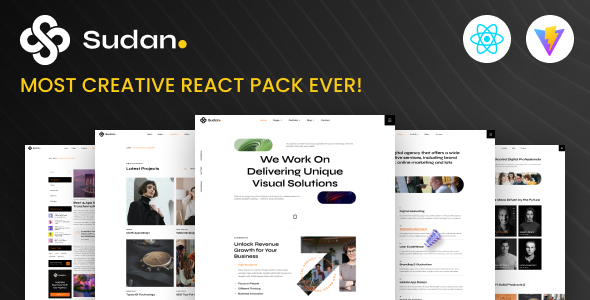
Sudan – Creative Agency React Template is a modern website template designed for creative agencies, digital marketing companies, branding studios, design agencies, freelancers, and other businesses that want to establish a professional online presence. Built around the React development ecosystem, this template provides a flexible foundation for creating visually engaging agency websites that showcase services, highlight creative projects, introduce team members, and communicate a brand’s unique identity. Its agency-focused design approach makes it a suitable starting point for businesses looking to present their expertise through a contemporary and organized digital experience.
Whether you are launching a new creative studio, redesigning an established agency website, or developing a website for a client, Sudan can help simplify the frontend development process. Instead of creating every page structure from scratch, developers can use the available template components and layouts as a foundation for their projects. The final website can then be adapted to match a particular brand, business model, content strategy, and visual identity.
A creative agency website needs to communicate professionalism, originality, and trust within seconds. Sudan is intended for agency-oriented website projects where presentation and visual consistency play important roles. Its design direction can help businesses organize their information into clear sections, making it easier for potential clients to understand their services and explore their work.
Creative agencies often serve clients across different industries, so their websites need to balance distinctive visual presentation with practical usability. An agency template offers a starting point for arranging essential information, including an introduction to the company, its capabilities, selected projects, and contact details.
The design can be customized with brand colors, typography, photography, illustrations, and other visual elements. This flexibility allows developers to create a website that reflects a company’s personality instead of relying on a generic corporate appearance.
Sudan is a React website template intended for developers who prefer building modern web interfaces with React. React provides a component-based approach to frontend development, allowing interfaces to be organized into reusable elements and maintained as a project evolves.
Using a React-based template can reduce repetitive implementation work and provide a structured starting point for developing an agency website. Developers can adapt existing components, reorganize sections, and extend the interface according to project requirements.
This approach is particularly useful for web development agencies and independent developers managing multiple client projects. Familiar interface patterns can be reused where appropriate, while styling, content, and page structure can be customized for each client.
The precise React version, build tooling, routing approach, styling system, and included dependencies should be confirmed from the product documentation before installation.
Creative businesses frequently offer several services under one brand. A well-organized website helps visitors understand those offerings without overwhelming them with unnecessary information.
Sudan can serve as a foundation for organizing agency content into meaningful sections, depending on the layouts included in the package. Potential content areas for an agency website include:
These are recommended content applications rather than a guarantee that every section or page is included in the template package.
A portfolio is an essential part of many creative agency websites. Prospective clients often want to review a company’s previous work before deciding whether to make contact. A thoughtfully structured project presentation can demonstrate design quality, technical expertise, and the ability to understand different business requirements.
Sudan can be adapted to showcase branding projects, website designs, advertising campaigns, digital products, illustrations, and other creative deliverables. Developers can use project imagery, concise descriptions, project categories, and supporting details to communicate the value of each assignment.
For a stronger portfolio experience, each project should explain more than its final appearance. Where appropriate, include the client’s objectives, the challenge addressed, the solution delivered, and the outcome achieved. Only publish verified results and authorized client materials.
If the package includes dedicated portfolio layouts, those layouts can provide a useful starting point. Otherwise, the necessary project sections can be developed using the available React components.
A professional agency website should remain usable across desktop computers, tablets, and mobile devices. Potential clients may discover an agency through a search result, social media profile, shared project link, or direct recommendation, and they may visit from a range of screen sizes.
When implementing Sudan, developers should ensure that the final website adapts appropriately to different viewport widths. Navigation, typography, images, buttons, cards, and content sections should remain readable and easy to use on smaller screens.
Responsive behavior should be tested rather than assumed. Particular attention should be given to mobile navigation, long headings, portfolio grids, image cropping, spacing, and touch-friendly interactive elements.
The exact responsive behavior depends on the supplied implementation and any modifications made during development.
Every agency has a different identity. A branding studio may prefer an expressive and experimental visual language, while a digital marketing company may need a more structured presentation that emphasizes measurable services and business outcomes.
Sudan can be used as a foundation for tailoring the visual presentation to these different requirements. Common customization tasks include:
React-based development also allows programmers to adapt components and application structure when the project requires functionality beyond the supplied interface.
The level of customization depends on the quality of the source code, included assets, dependencies, and developer experience.
Although the template is positioned for creative agency websites, its underlying design concept may be adaptable to several related business categories.
Digital Marketing Agencies: Present marketing services, campaign examples, industry expertise, and consultation opportunities.
Branding and Design Studios: Showcase brand identities, graphic design projects, visual systems, and creative portfolios.
Web Development Agencies: Explain development services, demonstrate completed websites, and introduce technical capabilities.
Advertising Agencies: Organize campaign examples, creative services, and company information into a cohesive online presence.
Freelancers and Independent Creatives: Adapt suitable sections to introduce individual services, highlight selected work, and provide contact information.
Startup and Technology Teams: Customize relevant layouts to explain digital solutions, communicate a company’s value proposition, and introduce its team.
These applications depend on the available layouts and the changes made during implementation.
Reusable components can help make a website easier to maintain as its content and requirements change. In a React project, shared interface elements may include navigation bars, buttons, service cards, project previews, testimonials, and footer sections.
Where the supplied template uses reusable components effectively, developers can update shared elements consistently instead of maintaining separate copies throughout the project. This can be valuable when building websites with repeated content patterns or when applying design changes across multiple pages.
Developers should also review the code organization, asset directories, configuration files, and dependency versions before extending the project. A clear understanding of the original implementation makes it easier to identify reusable sections and avoid unnecessary duplication.
The exact component architecture and included development utilities should be verified against the package files.
Website performance is important for user experience, especially when a creative agency relies on high-resolution images, animations, and portfolio content. A well-implemented website should load essential content efficiently and remain responsive during navigation and interaction.
Developers can improve performance by optimizing image dimensions, using suitable modern image formats, minimizing unnecessary JavaScript, reducing unused dependencies, and avoiding excessive animation effects. Lazy loading may also be appropriate for images that appear farther down a long page.
Search engine optimization requires additional attention beyond the visual template. Important implementation tasks include writing descriptive page titles and meta descriptions, organizing headings logically, adding meaningful image alternative text, configuring canonical URLs where appropriate, and ensuring that important content is discoverable by search engines.
Because React rendering and routing strategies can affect indexing, developers should verify how the selected implementation handles page content, metadata, URLs, and social sharing previews. A template alone does not guarantee search rankings, fast loading, or complete SEO readiness.
An agency website may eventually require features such as contact forms, newsletter subscriptions, analytics, a content management system, appointment scheduling, or customer relationship management integration.
Sudan can provide a frontend foundation for such enhancements where the codebase and project architecture support them. However, these capabilities should not be assumed to be included automatically.
For example, a functional contact form may require a backend service or a third-party form provider. Newsletter subscriptions require an appropriate email marketing integration, while appointment booking may involve an external booking platform or a custom application.
Developers should assess the requirements for each integration, configure credentials securely, and test the complete workflow before publishing the website.
Sudan is intended for developers, freelancers, creative professionals, digital agencies, and businesses looking for a React-based starting point for an agency website.
It may be particularly useful for developers who want to reduce initial frontend implementation time while retaining the ability to customize the design and code. Agencies can also evaluate it as a starting point for client projects where an appropriate creative presentation is needed.
Beginners learning React may find an existing template useful for studying page composition and component-based interface development. However, familiarity with JavaScript, React fundamentals, project dependencies, and the build process will help when troubleshooting or modifying the source code.
Before purchasing or deploying the template, review the documentation, supported runtime requirements, included pages, license terms, asset availability, and any third-party dependencies.
Sudan – Creative Agency React Template offers a starting point for building a modern online presence for creative agencies and related businesses. Its React-based development approach makes it relevant to frontend developers who want a customizable foundation for presenting services, portfolios, company information, and contact opportunities.
With thoughtful branding, responsive implementation, optimized assets, relevant content, and carefully selected integrations, developers can adapt the template to a wide range of agency-focused website projects. Reviewing the package documentation and testing the supplied code before deployment will help ensure that the finished website meets the project’s technical and business requirements.
1. All digital products are the most recent version, with no possibility of free updates. After payment, you can request an update to the most recent version for 5 days if a new version is released. We free support within 5 days.
2. If a license is required (Excludes WHMCS license , we provide only method not license), please contact us via email or ticket for assistance with activation. Our license is only valid for activation and does not include support.
3. We provide Mobile, PHP script installation services for $19.90 / ₹1700. Please create a backup after installation as we do not support re-installation. For mobile app source code, we do not offer installation services.
4. If you have any questions, please contact us by email [email protected] or create a ticket on this page
5. Please note that any digital products presented on the website do not contain malicious code, viruses or advertising. You will receive the original files from the developers. We do not sell any products that have been downloaded from other websites.
6. The response time can last up to 6 hours.
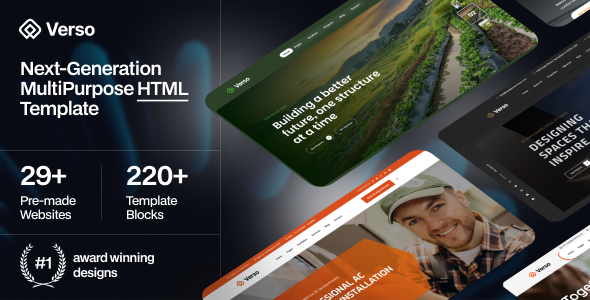
Verso - Multipurpose HTML Template Verso - Multipurpose HTML Template is a versatile website template designed for businesses, creative agencies, startups, freelancers,...
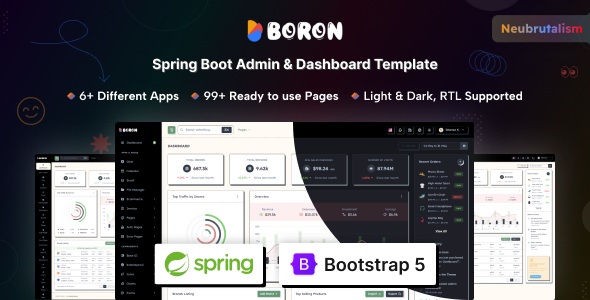
Boron - Spring Boot Admin & Dashboard Template Boron - Spring Boot Admin & Dashboard Template is a professional admin dashboard template...
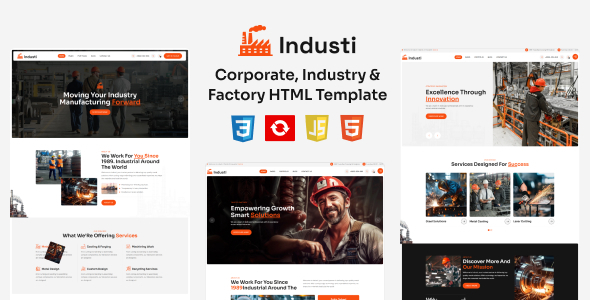
Industi – Industry & Factory HTML Template Industi – Industry & Factory HTML Template is a professional and modern website template designed...
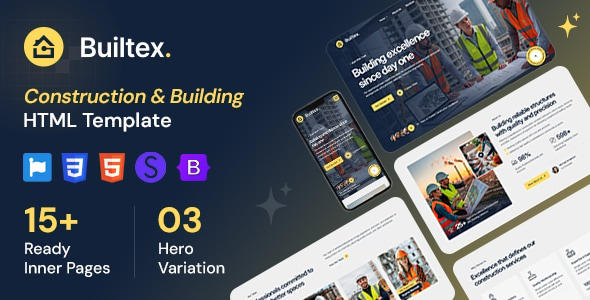
Builtex - Construction HTML Template Builtex is a modern and professionally designed HTML template created specifically for construction companies, building contractors, engineering...
