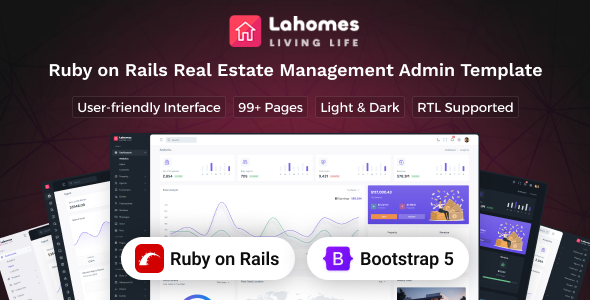
Lahomes – Ruby on Rails Real Estate Management Admin & Dashboard Template is a professional administrative interface template designed for real estate agencies, property management companies, brokers, property developers, and real estate technology businesses. Built around the Ruby on Rails ecosystem, Lahomes provides a starting point for developing organized administrative dashboards and property management interfaces.
Managing real estate operations often involves handling property listings, tracking customer inquiries, maintaining property information, and coordinating daily business activities. A well-structured administrative dashboard can make these tasks easier to organize by presenting important information through clear navigation, structured layouts, and reusable interface components.
Lahomes is suitable for developers who want to build a real estate management platform or customize an administrative interface for an existing property business. Its Ruby on Rails focus makes it relevant to projects that use Rails as part of their application architecture. The exact functionality depends on the included package, source code, and backend implementation.
A real estate management dashboard should help administrators access important information without navigating through complicated interfaces. Lahomes provides a foundation for designing an administrative environment focused on property-related operations and business management.
You can customize the dashboard layout, navigation, typography, colors, icons, and content to match your organization’s branding and workflow. A consistent interface helps users locate the tools they need and understand how different management sections relate to one another.
For example, a real estate agency may organize its administrative interface around properties, agents, customer inquiries, and reports. A property management company may prioritize rental records, tenant information, maintenance requests, and property status.
A well-planned dashboard can also provide a central location for important business indicators. Depending on the supplied components, developers may adapt dashboard cards, tables, charts, and summary sections to display relevant operational information.
Review the official demo and documentation to confirm the exact layouts and components included in Lahomes.
Ruby on Rails is a web application framework that supports structured application development using Ruby. It provides conventions for organizing models, views, controllers, routes, and other application components.
Lahomes is intended for the Ruby on Rails development ecosystem, making it a potential starting point for developers working on real estate administration projects.
Depending on the supplied package, developers may adapt the interface to work with Rails views, application routes, data models, and existing business logic. This can help establish a consistent administrative experience for an application built with Rails.
However, the term template does not automatically mean that a complete working real estate management application is included. Before implementation, verify whether the product provides Rails-integrated views, complete source code, database models, migrations, controllers, authentication, and functional business operations.
If the package contains only interface templates or design assets, additional Rails development will be necessary to connect the interface to real application data.
Property management is a central requirement for many real estate businesses. An administrative interface can help staff organize property information and maintain consistent records.
Lahomes can serve as a foundation for developing property administration screens. Depending on the included layouts, developers may adapt these screens to present property names, addresses, categories, prices, availability, and other relevant details.
A property management workflow may include creating new listings, updating existing records, reviewing property details, and changing listing statuses. These operations can help staff maintain accurate information across the platform.
For example, an agency may manage residential houses, apartments, commercial offices, and rental properties through a centralized interface.
Actual create, read, update, and delete operations require working application logic and a suitable data store unless the package already implements them. Verify the supplied source code before assuming that property records are stored or updated automatically.
Real estate businesses often manage different property types and listing statuses. Organizing these records can help administrators find relevant information and maintain an accurate overview of available inventory.
You can adapt the interface to display categories such as residential properties, commercial buildings, apartments, villas, and rental units.
Status indicators may also help staff distinguish between available properties, pending listings, reserved units, rented properties, and completed sales. The exact categories should reflect the business’s actual workflow.
Depending on the implementation, developers can add filtering, sorting, search, and pagination to make large property collections easier to manage.
For a production application, ensure that status changes follow appropriate business rules. For example, updating a property to rented or sold should also be reflected in public listings and related management records where applicable.
These features require backend logic and database integration if they are not included in the original package.
Real estate agencies often work with multiple agents and administrative staff. A centralized management interface can help organize employee information and support day-to-day coordination.
Lahomes may be customized to include screens for displaying agent names, contact information, assigned properties, and professional details, depending on the available components.
For a larger agency, the application could be extended to associate listings with specific agents and provide an overview of their responsibilities.
Developers may also build workflows for assigning inquiries, tracking activities, and managing staff accounts. These capabilities can support a more organized operational process.
However, employee records and agent profiles are not the same as secure user management. Account creation, authentication, permissions, role assignments, and account deactivation require appropriate backend implementation unless explicitly included in the package.
Customer inquiries are important for real estate businesses because they connect prospective buyers and renters with agents.
An administrative dashboard can provide a foundation for organizing customer information and inquiry records. Depending on the included functionality, you may customize screens for names, contact details, inquiry messages, preferred properties, and follow-up status.
For example, an agency could categorize inquiries as new, contacted, scheduled for viewing, under negotiation, or completed. Such a workflow can help staff track conversations and reduce the risk of overlooking potential clients.
Developers may extend the system with customer search, inquiry assignment, activity history, and follow-up reminders.
A functional inquiry management system requires more than a visual interface. Data storage, form processing, validation, access control, and notification delivery must be implemented or verified in the supplied application.
Business reports help property managers understand their operations and make informed decisions. A dashboard can present key information in a compact and accessible format.
Depending on the supplied components, Lahomes may be adapted to display property counts, listing statuses, inquiry summaries, agent activity, or other business indicators.
A property management company could use reporting screens to review the number of managed units, rental activity, or maintenance requests. A real estate agency might focus on active listings, customer inquiries, and sales progress.
Charts and summary cards can make changes easier to understand, especially when administrators need to review several business indicators at once.
However, meaningful reporting requires accurate underlying data. Live metrics, historical trends, automated calculations, and downloadable reports depend on the data model and reporting logic implemented in the application.
Verify which chart and reporting features are actually included before relying on them for business operations.
Real estate management platforms typically store property records, user accounts, customer inquiries, and operational information in a database.
Ruby on Rails applications commonly use models and database migrations to structure and manage this information. Depending on the supplied package, Lahomes may provide a starting point for connecting administrative views to Rails models and application controllers.
Developers can extend the data structure to meet specific business requirements. For example, a property model may include a location, property type, asking price, description, listing status, and relationships with agents or inquiries.
The final database design should reflect the intended workflow and protect the consistency of related records.
Do not assume that a database schema, migrations, or functional models are included simply because the product references Ruby on Rails. Review the package contents and documentation to establish the actual implementation scope.
Real estate administration systems often contain sensitive business and customer information. A production application should provide appropriate access controls to protect these records.
Depending on the project’s requirements, developers may implement separate roles for administrators, agents, property managers, and other staff members.
Role-based permissions can determine which users may view listings, modify records, manage accounts, or access reports. For example, an agent may need access to assigned properties, while an administrator may require broader management privileges.
Secure authentication, password recovery, session management, and authorization must be implemented using appropriate Rails functionality or compatible libraries unless the package explicitly provides them.
Permissions should be enforced on the server rather than relying only on frontend controls. This helps prevent unauthorized users from accessing protected records or performing restricted operations.
Lahomes can provide a starting point for developers who want to tailor a real estate administration interface to a particular business model.
Depending on the included source files, you may customize layouts, navigation, content, form fields, tables, and other visual elements. You can also extend the application with additional management modules when the existing architecture supports them.
Possible extensions include rental administration, property maintenance tracking, appointment scheduling, document management, payment records, and customer relationship management.
These are potential development opportunities, not guaranteed built-in features. Each additional module may require new database tables, models, controllers, validation rules, user permissions, and integration testing.
Before beginning development, check the supported Ruby and Rails versions, required gems, installation instructions, asset pipeline or frontend build configuration, and database requirements.
Following the official documentation will help ensure that the project is configured correctly for your development environment.
Administrative users may access their tools from desktop computers, laptops, tablets, or mobile devices. A responsive interface can help maintain usability across different screen sizes.
During customization, test navigation menus, data tables, forms, dashboard cards, and reporting sections on supported devices. Wide tables may require horizontal scrolling or an alternative layout on smaller screens.
Clear labels, readable typography, and consistent spacing also help users understand the interface and complete routine tasks more efficiently.
Actual responsive behavior depends on the supplied implementation. Review the demo and test the finished application across common screen sizes before deployment.
Real estate management applications may handle personal information, property documents, financial records, and business communications. Security should therefore be considered throughout development.
A production Rails application should use secure authentication, server-side authorization, input validation, appropriate session settings, and protection against common web vulnerabilities.
Developers should also review file uploads, API endpoints, database access, dependency updates, error handling, and sensitive configuration values. Credentials and secret keys should not be exposed in client-side code or public repositories.
Before deployment, test important workflows, review the application’s dependencies, configure the production environment, and establish appropriate backups and monitoring.
A template alone cannot guarantee application security. The final security level depends on the included code, backend implementation, configuration, and ongoing maintenance.
Lahomes is an option for developers seeking a real estate-focused administrative interface built for the Ruby on Rails ecosystem.
It can serve as a starting point for property management dashboards, real estate administration tools, agency operations platforms, and other property-related web applications. With suitable customization, developers can organize property information, introduce administrative workflows, and create interfaces tailored to their business requirements.
For freelancers and development agencies, the template may also help establish a consistent frontend foundation for real estate client projects.
Its practical value depends on the included source code, supported Rails versions, available components, and the amount of additional development required.
Before purchasing or integrating Lahomes, review the official product listing and documentation to confirm:
A real estate administration template is not necessarily a complete property management platform. Features such as live listings, customer management, reporting, payment processing, and role-based permissions may require additional development unless they are explicitly included.
Lahomes – Ruby on Rails Real Estate Management Admin & Dashboard Template is a potential starting point for developers and businesses planning to build an administrative interface for real estate operations.
Its Rails-oriented approach makes it relevant to projects involving property administration, agent coordination, customer inquiries, and business reporting. With appropriate backend development, database integration, and security controls, the interface can be adapted to the requirements of a real estate management application.
Review the official demo, package contents, and documentation before purchase to confirm that the available components and technical requirements match your project.
Product Type: Real Estate Management Admin & Dashboard Template
Category: Real Estate, Property Management, Admin Dashboard, Business Management
Technology: Ruby on Rails
Ideal For: Real Estate Agencies, Property Managers, Developers, Brokers, Freelancers, and Web Development Agencies
Included Features, Source Files, and License: Refer to the official product listing and package documentation for exact details.
1. All digital products are the most recent version, with no possibility of free updates. After payment, you can request an update to the most recent version for 5 days if a new version is released. We free support within 5 days.
2. If a license is required (Excludes WHMCS license , we provide only method not license), please contact us via email or ticket for assistance with activation. Our license is only valid for activation and does not include support.
3. We provide Mobile, PHP script installation services for $19.90 / ₹1700. Please create a backup after installation as we do not support re-installation. For mobile app source code, we do not offer installation services.
4. If you have any questions, please contact us by email [email protected] or create a ticket on this page
5. Please note that any digital products presented on the website do not contain malicious code, viruses or advertising. You will receive the original files from the developers. We do not sell any products that have been downloaded from other websites.
6. The response time can last up to 6 hours.
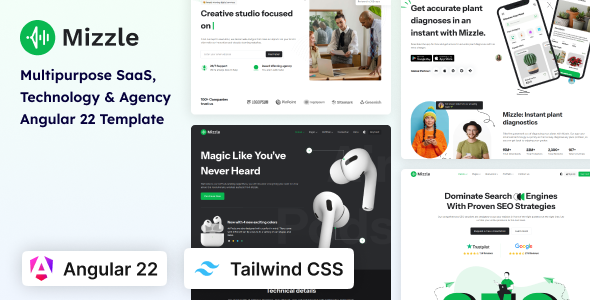
Mizzle - Technology & Corporate Angular Tailwind CSS Template Mizzle is a modern and feature-rich Angular Tailwind CSS template designed for technology...
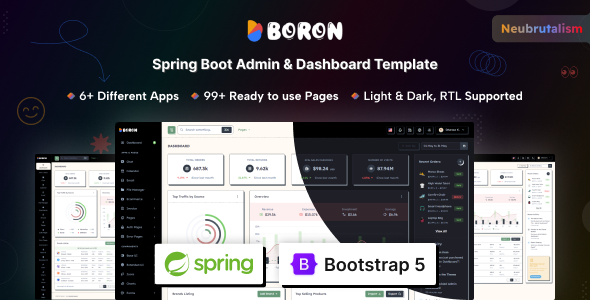
Boron - Spring Boot Admin & Dashboard Template Boron - Spring Boot Admin & Dashboard Template is a professional admin dashboard template...
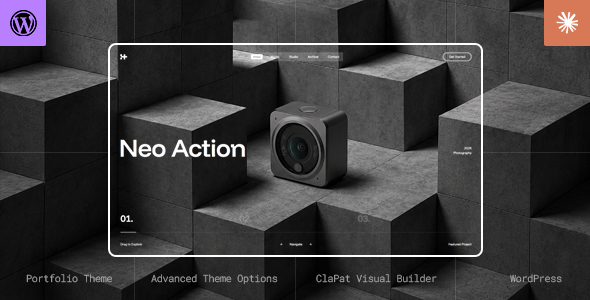
Hayler - Creative Portfolio WordPress Theme Hayler is a modern, stylish, and professionally crafted Creative Portfolio WordPress Theme designed for designers, photographers,...

Dekin - Decor Furniture Store Shopify 2.0 Theme Dekin is a modern and elegant Shopify 2.0 theme designed specifically for furniture stores,...
