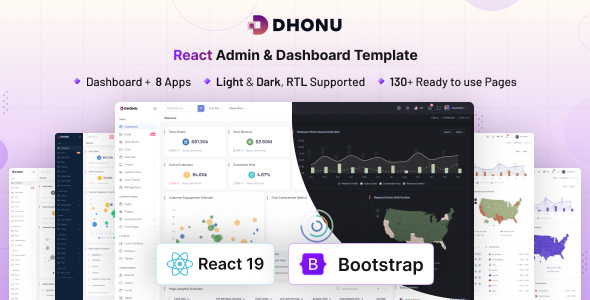
Dhonu – React Admin & Dashboard Template is a modern web interface template designed for developers, software engineers, startups, and businesses building administrative panels, analytics dashboards, and data-driven web applications. Built around React-based frontend development, Dhonu provides a customizable foundation for creating organized management interfaces, presenting application data, and developing consistent user experiences across different administrative sections.
Whether you are building a business management platform, a SaaS application, a customer relationship management system, an inventory dashboard, or an internal administration portal, Dhonu can help streamline the frontend development process. Its admin and dashboard focus makes it suitable for projects that require structured navigation, data presentation, reusable interface elements, and customizable management screens.
React’s component-based architecture allows developers to organize interface elements into reusable components and extend them as project requirements evolve. By adapting the supplied layouts, styling, and components, you can create an administration interface that aligns with your application’s functionality and visual identity.
An effective admin dashboard helps users access important information, navigate application sections, and complete routine tasks efficiently. Dhonu provides a starting point for creating an organized administrative interface that can be adapted to a variety of business and technical requirements.
Administrative dashboards commonly include navigation menus, summary cards, data tables, forms, charts, notification areas, and other elements for displaying information or managing application resources. Depending on the components included in the template, developers can customize suitable layouts to support these interface patterns.
A consistent interface helps users understand where to find information and how to perform common actions. For example, a business dashboard might present operational summaries, customer records, transaction information, and configuration options in separate sections.
Dhonu can serve as a frontend foundation for these types of applications. The actual features and available layouts depend on the supplied package and its documentation, while dynamic functionality requires suitable implementation and data integration.
Dhonu can be adapted for various types of administrative and management-oriented applications.
Business Management Dashboards: Create interfaces for viewing business metrics, operational summaries, and administrative information.
SaaS Applications: Build dashboard screens for software products that provide users with access to features, reports, and account settings.
Customer Relationship Management Systems: Develop interfaces for customer records, lead information, communication histories, and sales activities.
Project Management Platforms: Present project summaries, task information, progress indicators, and team-related data.
E-Commerce Administration: Create frontend screens for product information, orders, customers, and sales reporting when connected to a suitable backend.
Analytics Dashboards: Display business metrics and visual reports using compatible charting libraries and appropriate data sources.
Inventory Management Systems: Organize interfaces for stock records, product categories, and inventory information.
Human Resource Management Systems: Develop screens for employee records, department information, and administrative workflows.
Financial Management Applications: Create interfaces for displaying financial summaries, transaction records, and reporting information, subject to appropriate data controls.
Internal Business Tools: Build administrative interfaces for company resources, operational processes, and internal management activities.
These are potential use cases rather than guaranteed built-in features. Each application requires the relevant business logic, data models, and integrations.
React is a JavaScript library for building user interfaces using reusable components. A React admin template provides developers with a starting point for structuring pages and adapting interface elements to application-specific requirements.
Depending on the supplied source files and project configuration, Dhonu may provide reusable layouts, navigation structures, and interface components that can be customized during development.
Common development tasks may include:
A component-based approach can improve consistency and make it easier to maintain repeated interface patterns across an application.
The exact React version, routing configuration, styling framework, state management tools, and included libraries should be confirmed through the product documentation. Avoid assuming that a particular development library is included unless it is explicitly listed.
Dashboards often need to present information in a format that allows users to understand application activity quickly. Dhonu can provide a starting point for implementing these interface patterns using the components available in the supplied package.
Depending on the included features, dashboard layouts may be adapted to display summary cards, data tables, charts, notification panels, forms, and other administrative elements.
For example, a business management application might display customer totals, sales summaries, project progress, or recent transactions. An inventory application might present stock levels and product counts, while an analytics platform could display metrics over selected periods.
To make these components useful, developers need to connect them to suitable data sources and implement the necessary data retrieval and transformation logic. Charts require compatible visualization libraries, and tables may need additional functionality for sorting, filtering, searching, and pagination.
Visual components do not automatically contain live business data. The actual behavior depends on the implementation and the backend services connected to the application.
A reusable admin template can reduce repetitive frontend work and help developers establish a consistent design across application pages. Dhonu offers a potential starting point for tailoring the interface to specific workflows and business requirements.
Depending on the supplied files and dependencies, customization may include:
These options can help developers create a distinctive application interface while retaining a consistent visual language.
Before beginning customization, review the package structure, source files, dependencies, licensing terms, and installation instructions. This helps identify which components are ready to use and which require additional implementation.
A dashboard becomes functionally useful when it communicates with the application backend. Dhonu can serve as a frontend starting point for connecting React components to APIs that provide the data and operations required by the application.
For example, a customer management interface might request customer records from an API, display the returned data, and submit updates through suitable endpoints.
A typical integration workflow includes:
The exact integration approach depends on your backend architecture, API design, and the libraries supplied with the template.
Dhonu should not be assumed to include a complete backend, database, or REST API unless these are explicitly provided in the product package. Developers may need to connect the frontend to an existing backend or build the required server-side functionality separately.
Many admin dashboards require users to sign in before accessing application information. Authentication and authorization should be designed according to the security requirements of the application.
Depending on the supplied layouts, Dhonu may provide interface components that can be adapted for login screens or other account-related pages. However, visual screens alone do not implement secure authentication.
A complete implementation may require:
The actual availability of authentication pages and supporting code must be verified in the package documentation.
For production applications, sensitive operations must be protected on the backend rather than relying only on frontend route restrictions or hidden interface elements.
Administrative applications may be accessed from desktop computers, laptops, tablets, and smartphones. A responsive interface helps users access important information across different screen sizes.
When customizing Dhonu, review the supplied layouts at multiple viewport widths. Pay attention to navigation behavior, table readability, form controls, chart presentation, spacing, and the visibility of important actions.
Dense dashboards may require additional adjustments for mobile use, such as simplified summaries, horizontally scrollable tables, or alternative content arrangements.
Actual responsive behavior depends on the supplied React components, CSS, dependencies, and customizations. Test the finished interface on multiple devices before deploying the application.
Performance and maintainability are important considerations when developing an admin dashboard that may contain numerous pages, components, and data-driven interactions.
Developers can improve maintainability by organizing reusable components, keeping application logic separate from presentation where appropriate, and following consistent coding conventions.
Depending on the project structure, useful optimization practices may include reducing unnecessary component re-renders, loading large sections only when needed, optimizing image assets, and avoiding unnecessary dependencies.
For data-heavy interfaces, efficient API requests and suitable pagination can help reduce the amount of information loaded at once.
These improvements depend on the application’s implementation and should be validated through testing and profiling. A template alone does not guarantee optimal performance for every project.
Administrative applications may expose sensitive business information or provide access to important operations. A production-ready implementation requires appropriate security controls beyond the visual interface.
Developers should consider:
Security requirements vary according to the application’s architecture and the information it processes. A React template does not automatically provide complete protection against vulnerabilities.
Review the implementation, test protected routes and backend permissions, and follow relevant security practices before making the application available to users.
Dhonu can be incorporated into a structured frontend development process for building an administrative application.
Installation: Review the supplied files, software requirements, dependencies, and setup instructions.
Frontend Configuration: Configure the React project and verify that the supplied components render correctly.
Layout Customization: Adapt navigation, dashboard pages, forms, and data presentation components.
Backend Integration: Connect the frontend to appropriate APIs and data services.
Authentication Setup: Implement secure sign-in workflows and permission checks where required.
Testing: Verify interface behavior, form validation, API responses, responsive layouts, and error handling.
Optimization: Review loading performance, component structure, and maintainability.
Deployment: Configure the production environment, API endpoints, security settings, and operational monitoring.
This is a general development workflow rather than a claim that every stage is already implemented in the template.
Dhonu is a React admin and dashboard template intended to provide a starting point for frontend development. Before installing or purchasing it, review the seller’s documentation for included pages, React compatibility, dependencies, routing configuration, styling libraries, and installation instructions.
A frontend template generally does not provide a complete business management system. Features such as database operations, user administration, role management, reporting logic, notifications, payment processing, audit logs, and advanced analytics may require additional development or third-party services unless explicitly included.
If you intend to use Dhonu in a production application, verify that the supplied components meet your accessibility, performance, browser compatibility, and security requirements.
Replace demonstration content with appropriate application branding and real data sources, and test the complete application in a staging environment before deployment.
Dhonu offers a potential starting point for developers who want to create administrative interfaces using React. Its admin and dashboard focus makes it relevant to SaaS products, business management platforms, analytics applications, internal tools, and custom web-based systems.
Key benefits may include a reusable frontend foundation, opportunities to customize dashboard layouts, a component-based development workflow, flexible branding options, and the ability to integrate interface components with appropriate APIs.
By combining the supplied source files with suitable backend services, secure access controls, and well-structured application logic, developers can adapt Dhonu to support a wide range of administrative workflows.
Dhonu – React Admin & Dashboard Template is a suitable starting point for developers, startups, and businesses building custom administration panels and data-driven web applications.
Whether you are developing a CRM, SaaS dashboard, inventory management interface, analytics platform, or internal business tool, Dhonu provides a foundation for organizing the frontend and adapting the user interface to your requirements. Review the included components and documentation, customize the supplied layouts, and integrate the necessary backend functionality to create a professional administrative application tailored to your project goals.
1. All digital products are the most recent version, with no possibility of free updates. After payment, you can request an update to the most recent version for 5 days if a new version is released. We free support within 5 days.
2. If a license is required (Excludes WHMCS license , we provide only method not license), please contact us via email or ticket for assistance with activation. Our license is only valid for activation and does not include support.
3. We provide Mobile, PHP script installation services for $19.90 / ₹1700. Please create a backup after installation as we do not support re-installation. For mobile app source code, we do not offer installation services.
4. If you have any questions, please contact us by email [email protected] or create a ticket on this page
5. Please note that any digital products presented on the website do not contain malicious code, viruses or advertising. You will receive the original files from the developers. We do not sell any products that have been downloaded from other websites.
6. The response time can last up to 6 hours.

Coral - Multipurpose React Js Landing Template Coral - Multipurpose React Js Landing Template is a modern, responsive, and professionally designed landing...
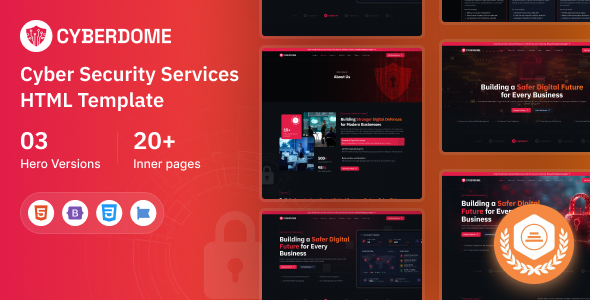
CyberDome - Cyber Security Services HTML Template CyberDome - Cyber Security Services HTML Template is a modern and professional website template designed...
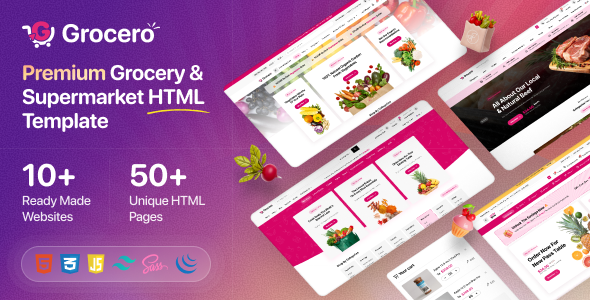
Grocero – Grocery & Organic Food eCommerce HTML Template Grocero – Grocery & Organic Food eCommerce HTML Template is a modern and...
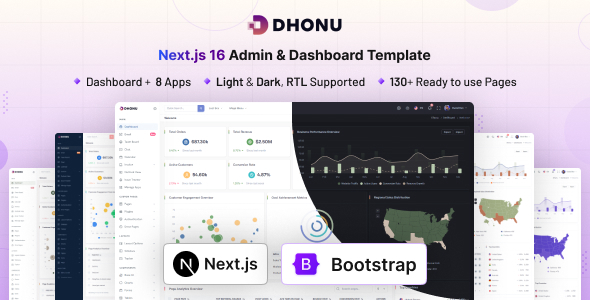
Dhonu - Next.js Admin & Dashboard Template Dhonu - Next.js Admin & Dashboard Template is a modern dashboard template designed for developers,...
