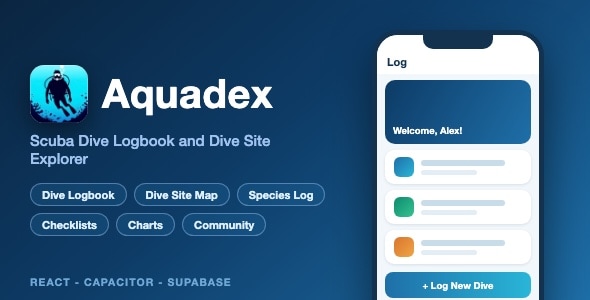
Explore underwater destinations, document memorable dives, and record marine life observations with Aquadex | Dive Logbook and Dive Site Explorer With Species Log – Capacitor. Designed for scuba divers, underwater explorers, and marine life enthusiasts, this application concept brings together dive record-keeping, dive site discovery, and species logging in a digital experience.
Built around the Capacitor framework, Aquadex provides a foundation for developing a cross-platform application that can connect web technologies with supported mobile device capabilities. It is suitable for developers and businesses interested in creating a diving companion app for recreational divers, dive travel communities, underwater photographers, and ocean exploration enthusiasts.
A digital dive logbook gives divers a convenient way to document their underwater experiences and maintain an organized record of past dives. Aquadex is designed around this practical use case, providing a foundation for collecting dive-related information in a structured format.
Depending on the included implementation, logbook records may support information such as:
Verify the actual record fields, editing tools, data storage behavior, and export functionality in the supplied version before relying on it as a complete dive logbook.
Discovering new underwater locations is an important part of diving and dive travel. Aquadex provides a foundation for organizing dive site information and helping users explore potential destinations.
Depending on the implemented features and available data, a dive site explorer may include:
The availability of live maps, location services, searchable site databases, offline maps, and verified dive site information depends on the supplied application and its integrations.
Underwater encounters can be memorable, especially when divers observe unfamiliar fish, corals, and other marine organisms. Aquadex’s species log concept provides a foundation for documenting these observations alongside dive records.
Depending on the included features, species entries may be organized using:
A curated species database, image-based identification, conservation status information, and expert-verified taxonomy may require additional data sources or integrations. Species identification should be verified when accuracy is important.
Capacitor provides a way to package web-based applications for supported native mobile environments and access device capabilities through compatible plugins.
For developers, this approach can make it possible to reuse web technologies while building a mobile experience. Depending on the included project and configuration, Aquadex may be adaptable for supported Android and iOS deployments.
Actual platform compatibility, native plugin requirements, offline behavior, and app store readiness should be confirmed using the supplied source code and documentation.
Keeping dive records, destination details, and species observations organized can help users build a more useful personal history of underwater exploration.
Aquadex can potentially be extended with features such as chronological dive histories, filtering by destination, searchable species entries, and links between a particular dive and its wildlife observations. The availability of these features depends on the implementation.
Additional capabilities such as cloud backups, account synchronization, PDF logbook exports, and multi-device access may require backend services or additional development.
Depending on the source files and licensing terms, Aquadex may be customized to suit diving communities, travel operators, or marine education projects.
Potential customization areas include:
Some enhancements may require changes to the application code, database structure, Capacitor plugins, or connected services.
Divers often collect information across notebooks, photos, maps, and separate wildlife references. A dedicated digital application can provide a more structured approach to maintaining dive histories and recording underwater observations.
Aquadex combines the concepts of dive logging, destination discovery, and species documentation. For developers, its Capacitor-based approach offers a starting point for building an application that can be adapted to specific diving communities and exploration workflows.
The practical value depends on the quality of the included features, the accuracy of the destination and species information, and the application’s data storage capabilities.
Before deploying Aquadex, review the live demo, documentation, license, included source files, dependencies, and technical requirements.
Typical setup activities may include:
The exact process depends on the supplied package. Map services, cloud hosting, third-party APIs, and app store publication may involve additional costs.
Dive records may contain personal travel details, photographs, and location information. Before production deployment, review data permissions, authentication, secure storage, API access controls, and backup procedures.
If location features are included, request only the permissions necessary for the intended functionality. Keep application dependencies and Capacitor plugins updated, and test data recovery and synchronization before relying on the application as the sole copy of important dive records.
Dive site information, local regulations, and species references should be kept current where applicable. The application should not replace formal dive training, safe diving practices, or official local guidance.
Aquadex brings together three complementary underwater exploration activities: recording dives, exploring dive destinations, and documenting marine species. This combination makes it a relevant concept for developers interested in diving, travel, and marine life applications.
Its Capacitor-based technology foundation can support further customization, subject to the supplied source code, platform requirements, and available integrations.
Aquadex | Dive Logbook and Dive Site Explorer With Species Log – Capacitor is a diving-focused application concept for organizing dive records, exploring underwater destinations, and documenting marine life observations. Its combination of logbook functionality, destination discovery, species logging, and Capacitor-based development makes it a potential starting point for a specialized diving companion app.
Review the live demo, documentation, included source code, actual logbook fields, dive site data, species database, offline capabilities, and supported mobile platforms before purchasing or implementing the application.
1. All digital products are the most recent version, with no possibility of free updates. After payment, you can request an update to the most recent version for 5 days if a new version is released. We free support within 5 days.
2. If a license is required (Excludes WHMCS license , we provide only method not license), please contact us via email or ticket for assistance with activation. Our license is only valid for activation and does not include support.
3. We provide Mobile, PHP script installation services for $19.90 / ₹1700. Please create a backup after installation as we do not support re-installation. For mobile app source code, we do not offer installation services.
4. If you have any questions, please contact us by email [email protected] or create a ticket on this page
5. Please note that any digital products presented on the website do not contain malicious code, viruses or advertising. You will receive the original files from the developers. We do not sell any products that have been downloaded from other websites.
6. The response time can last up to 6 hours.
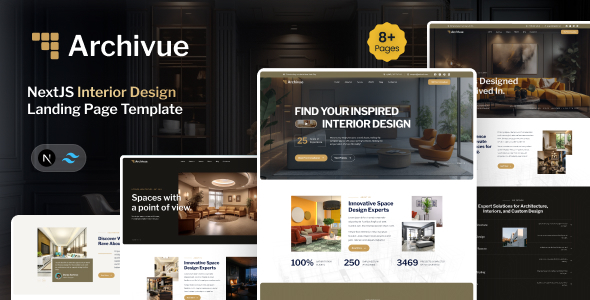
Archivue - NextJS Interior Design Landing Page Template Archivue - NextJS Interior Design Landing Page Template is a modern website template designed...
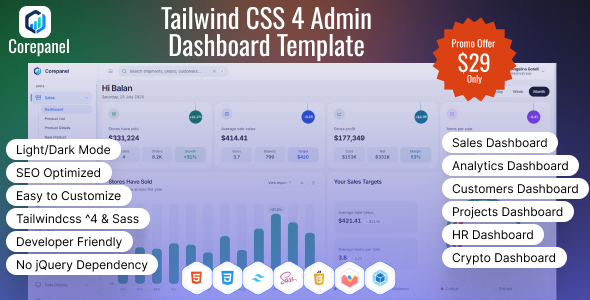
Corepanel – Tailwind CSS 4 Admin Dashboard Template Corepanel – Tailwind CSS 4 Admin Dashboard Template is a modern administrative dashboard template...
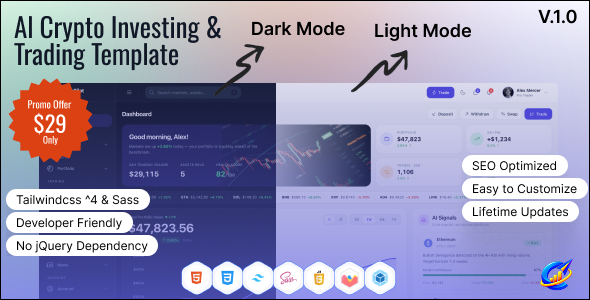
CryptoPilot – AI Crypto Investing & Trading Dashboard HTML Template CryptoPilot – AI Crypto Investing & Trading Dashboard HTML Template is a...
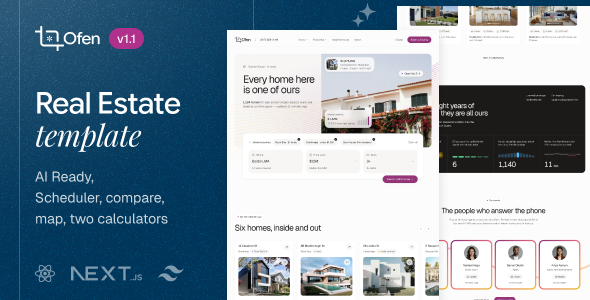
Ofen — Real Estate React NextJs Template Ofen — Real Estate React NextJs Template is a modern website template designed for real...
