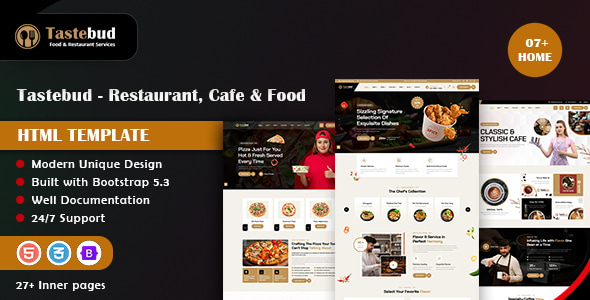
Tastebud – Restaurant, Cafe & Food HTML Template is a modern and visually appealing website template designed for restaurants, cafes, food businesses, bistros, bakeries, catering companies, and hospitality professionals who want to establish a professional online presence. With a food-focused design foundation and an HTML-based structure, Tastebud provides a customizable starting point for presenting menus, showcasing signature dishes, introducing chefs, sharing restaurant information, and encouraging customers to explore dining options.
In the competitive food and hospitality industry, a well-designed website can help businesses communicate their identity, highlight their culinary offerings, and make essential information easy to access. Customers often visit restaurant websites to explore menus, check opening hours, view food photography, discover locations, and learn about reservation or ordering options.
Tastebud can be adapted to suit different dining concepts, from casual cafes and neighborhood restaurants to premium dining establishments, bakeries, and food service businesses. Developers can customize the visual style, content, page layouts, and branding to reflect the unique personality of each business.
Whether you are creating a website for a family restaurant, a coffee shop, a contemporary dining venue, or a catering business, Tastebud offers a flexible foundation for building a professional food and hospitality website.
A restaurant website should make it easy for visitors to discover the food, atmosphere, location, and services offered by the business. Tastebud provides a starting point for organizing this information into a clear and engaging website experience.
The template can be customized to present restaurant introductions, food menus, featured dishes, chef profiles, dining experiences, promotional content, contact details, and other relevant business information. Depending on the layouts included in the supplied package, developers may also be able to create dedicated pages for menus, reservations, events, and restaurant updates.
Tastebud is suitable for a variety of hospitality projects, including restaurant websites, cafe websites, food business landing pages, bakery websites, catering company websites, and dining service portfolios.
The exact page layouts, included components, assets, and functionality depend on the supplied package. Developers should review the product documentation and source files to confirm the available features before implementation.
Visual presentation plays an important role in the restaurant industry. High-quality food photography, consistent branding, and clear content organization can help communicate the dining experience before customers visit the venue.
Tastebud can be customized to create a visual identity that reflects the restaurant’s cuisine, atmosphere, and target audience. Developers can adjust colors, typography, images, backgrounds, buttons, and page sections to match the business.
A casual cafe may prefer a relaxed and welcoming style, while a fine-dining restaurant may require a more refined and elegant presentation. A bakery or dessert shop may emphasize product photography and colorful visual elements.
Consistent styling across the website helps maintain a recognizable brand identity and makes the customer experience more cohesive.
Tastebud is identified as an HTML template, making it suitable for developers who want direct access to website markup and front-end styling.
Depending on the supplied package, the source files may include HTML pages, CSS stylesheets, JavaScript files, images, icons, fonts, and supporting assets. Developers should inspect the project structure and documentation to identify any required libraries, dependencies, and installation steps.
The HTML-based approach provides flexibility for editing the website’s content, modifying the visual presentation, and creating additional pages.
Common customization tasks include:
An HTML template primarily provides a front-end website foundation. Features such as online ordering, payment processing, table reservations, and restaurant administration require appropriate integrations or additional development unless explicitly included in the package.
The homepage is often the first point of contact between a restaurant and a potential customer. It should communicate the restaurant’s identity, highlight its culinary offerings, and make essential information easy to find.
Tastebud can be customized to support a homepage featuring a prominent introduction, featured dishes, restaurant highlights, food photography, service information, and calls to action, depending on the available layouts.
Restaurants can use this space to explain their cuisine, introduce their dining atmosphere, highlight popular menu items, and direct visitors toward the full menu or contact details.
A strong homepage should prioritize accurate and useful information. Restaurant names, locations, opening hours, food descriptions, and reservation instructions should be clearly presented and kept up to date.
A well-organized menu is one of the most important elements of a restaurant website. Customers often want to review available dishes, understand the cuisine, and compare options before deciding where to dine.
Tastebud can be adapted to display food categories and individual menu items, depending on the layouts supplied with the package.
Possible menu categories include:
These are suggested categories rather than a guarantee that every menu layout is included. Developers can customize the available structure to match the restaurant’s actual offerings.
Individual menu items may include a dish name, description, photograph, price, and relevant dietary information. All prices, ingredients, and dietary claims should be verified before publication.
Cafes need a website that communicates their atmosphere and helps customers discover available beverages, snacks, and dining options.
Tastebud can be customized for coffee shops, specialty cafes, tea houses, brunch venues, and casual dining spaces. Content may highlight coffee varieties, signature beverages, pastries, breakfast options, seasonal drinks, and other products offered by the business.
A cafe website can also include information about seating, takeaway availability, operating hours, location, and special promotions where relevant.
Developers can use suitable images and concise descriptions to create a welcoming presentation that reflects the cafe’s identity.
If the cafe sells packaged products or accepts online orders, the required shopping and payment functionality must be provided through a compatible service or additional development.
Tastebud can also serve as a foundation for websites focused on baked goods, desserts, confectionery, and specialty food products.
A bakery may customize the design to display cakes, pastries, breads, cookies, celebration desserts, and seasonal offerings. A dessert business can emphasize product photography, flavor descriptions, customization options, and ordering information.
Catering companies can adapt the website to present event menus, catering packages, service details, and inquiry options.
Food businesses should ensure that product descriptions, allergen information, prices, availability, and ordering instructions accurately reflect their current offerings.
High-quality food photography can help customers understand the appearance and presentation of a restaurant’s offerings. Tastebud can be customized to feature selected dishes, signature meals, seasonal specials, and other visual content.
Developers can organize images into galleries, featured sections, or individual menu cards according to the available layouts.
Restaurants should use genuine photographs that accurately represent their dishes and dining environment. Images should be optimized for website performance while preserving suitable visual quality.
Alternative text should be added where appropriate to support accessibility and provide context for users who cannot view the images.
Many restaurants want customers to be able to request a table before visiting. Tastebud can be customized to display reservation calls to action, telephone numbers, and relevant booking information.
A reservation form may collect a customer’s name, contact details, preferred date, time, party size, and additional requests.
However, a form displayed in an HTML template does not automatically provide a working reservation system. Functional booking requires suitable backend processing, a restaurant reservation platform, or another compatible service.
Features such as real-time table availability, booking confirmations, cancellation management, seating allocation, and automated reminders require additional functionality unless explicitly included in the supplied package.
For restaurants that do not need online booking, a simple telephone link or external reservation link may provide an effective alternative.
Food businesses may want customers to order meals online for takeaway or delivery. Tastebud can provide a visual foundation for presenting ordering options and directing customers to an appropriate ordering platform.
A restaurant may connect its website to a third-party ordering service or develop a separate ordering application that supports menu management, cart functionality, payment processing, order tracking, and delivery workflows.
The HTML template itself should not be assumed to include a functional shopping cart or ordering backend. These features require suitable integrations or custom development.
Before launching online ordering, businesses should test menu availability, pricing, order submission, payment handling, customer notifications, and any delivery-related workflows.
Introducing the people behind a restaurant can help communicate its culinary identity and create a more personal connection with customers.
Tastebud can be customized to present chef profiles, team photographs, professional backgrounds, culinary specialties, and the restaurant’s story, depending on the available layouts.
The About Us section can explain the business’s history, cuisine, cooking philosophy, ingredients, and approach to hospitality.
Restaurants with a strong local identity may also include information about their culinary traditions, signature dishes, or sourcing practices where these claims can be verified.
Authentic content helps distinguish the business from competitors and gives visitors a clearer understanding of its dining experience.
Restaurants and cafes often organize seasonal menus, special dining events, holiday offers, live entertainment, and other promotions. Tastebud can be adapted to display these announcements through dedicated sections or additional pages.
Possible content includes festival menus, weekend brunch offers, private dining information, tasting events, and catering promotions.
Developers can customize promotional sections with relevant dates, descriptions, images, and calls to action. Businesses should ensure that offers are accurate and include any applicable conditions.
If the website needs automatic promotion scheduling, event registration, or ticket payments, these features require additional functionality or a compatible third-party service.
Many customers browse restaurant websites from smartphones while deciding where to eat or checking a venue’s menu and location. A responsive implementation helps ensure that essential information remains accessible across different screen sizes.
Developers should review the supplied Tastebud package to confirm its responsive behavior and supported breakpoints. The completed website should be tested on desktops, laptops, tablets, and mobile devices.
Important elements to test include navigation menus, menu cards, food galleries, pricing sections, buttons, forms, and contact details.
Mobile visitors should be able to find the menu, telephone number, opening hours, location, and reservation or ordering options without unnecessary scrolling.
Responsive behavior should be verified after customization because additional images, scripts, and integrations can affect the original layouts.
Search engine optimization can help restaurants and food businesses reach customers searching for dining options, specific cuisines, and nearby food services.
Tastebud provides a front-end foundation that can be enhanced with relevant content and technical SEO improvements.
Recommended practices include:
Local SEO is especially important for restaurants that depend on customers in a particular geographic area. Accurate location information and a verified business profile can help prospective customers discover the venue.
The template alone does not guarantee search engine rankings, traffic, or reservations. Results depend on content quality, local competition, technical implementation, and ongoing optimization.
A blog or news section can help restaurants share updates, introduce new dishes, publish recipes, and communicate information about seasonal offerings.
If the supplied package includes blog layouts, developers can adapt them for restaurant news, food articles, culinary stories, event announcements, and other relevant content. If blog pages are not included, they can be developed using the existing HTML structure.
A static blog layout does not automatically provide a publishing system. Dynamic articles, categories, search, and administrative editing require a CMS, database, or other suitable content management solution.
Regular content updates should provide useful information and accurately represent the restaurant’s services and culinary offerings.
Restaurant websites frequently use large food photographs and gallery images. Although visual content is important, unoptimized images can increase loading times and affect the visitor experience.
Developers can improve performance by compressing images, serving appropriately sized media, selecting efficient image formats, enabling suitable browser caching, and minimizing unnecessary JavaScript and CSS.
External fonts, icon libraries, and third-party scripts should also be reviewed to ensure they contribute to the final experience.
Performance testing should be performed after the actual content and images have been added. Reliable hosting and HTTPS configuration further support a dependable website experience.
A restaurant website should be maintained regularly to ensure that its information remains accurate and its interactive features work as expected.
Developers should review dependencies, check external links, test contact forms, and verify that menus, prices, operating hours, and location details are current.
If the website includes PHP or another backend service for forms or reservations, developers should validate incoming data, escape output appropriately, and implement suitable spam protection and secure data handling.
Payment processing and customer data collection should use appropriate, trusted services and security controls. An HTML template alone does not guarantee the security of a completed website.
Tastebud can be adapted for several hospitality and food-related business models.
Restaurants: Present menus, signature dishes, dining information, and contact details.
Cafes and Coffee Shops: Showcase specialty beverages, breakfast options, snacks, and cafe atmosphere.
Fine-Dining Establishments: Create a polished online presence for premium dining experiences and curated menus.
Bakeries and Dessert Shops: Display cakes, pastries, baked goods, and seasonal specialties.
Fast-Casual Food Businesses: Organize food categories, promotions, and ordering information.
Catering Companies: Present catering services, event menus, packages, and inquiry options.
Bistros and Family Restaurants: Communicate the restaurant’s identity, menu offerings, location, and opening hours.
Web Development Agencies: Use the template as a starting point for creating customized restaurant websites for clients.
The final implementation should reflect the actual menu, service capabilities, and operational requirements of the business.
Tastebud can be a practical option for developers and food businesses looking for a customizable foundation for a restaurant or cafe website.
Key potential benefits include:
The exact page layouts, included assets, responsive components, dependencies, and built-in functionality should be verified against the supplied product documentation before purchase or implementation.
Tastebud – Restaurant, Cafe & Food HTML Template provides a customizable starting point for building a professional website for restaurants, cafes, bakeries, catering companies, and other food-related businesses.
With appropriate customization, businesses can use the template to present menus, highlight signature dishes, introduce their culinary team, share restaurant information, and provide convenient ways for customers to get in touch. Its HTML-based structure gives developers flexibility to adapt the design and extend the website through compatible services or additional development.
For freelancers, web development agencies, restaurant owners, and hospitality businesses, Tastebud can help establish the front-end foundation for a tailored food website. Combining the template with accurate menu information, genuine food photography, responsive testing, local SEO, suitable reservation or ordering integrations, and reliable hosting can create a professional online presence that supports customer engagement and business growth.
1. All digital products are the most recent version, with no possibility of free updates. After payment, you can request an update to the most recent version for 5 days if a new version is released. We free support within 5 days.
2. If a license is required (Excludes WHMCS license , we provide only method not license), please contact us via email or ticket for assistance with activation. Our license is only valid for activation and does not include support.
3. We provide Mobile, PHP script installation services for $19.90 / ₹1700. Please create a backup after installation as we do not support re-installation. For mobile app source code, we do not offer installation services.
4. If you have any questions, please contact us by email [email protected] or create a ticket on this page
5. Please note that any digital products presented on the website do not contain malicious code, viruses or advertising. You will receive the original files from the developers. We do not sell any products that have been downloaded from other websites.
6. The response time can last up to 6 hours.

Cherry Spoon: Merge Diner | HTML5 Game Bring a delightful restaurant experience to life with Cherry Spoon: Merge Diner | HTML5 Game,...
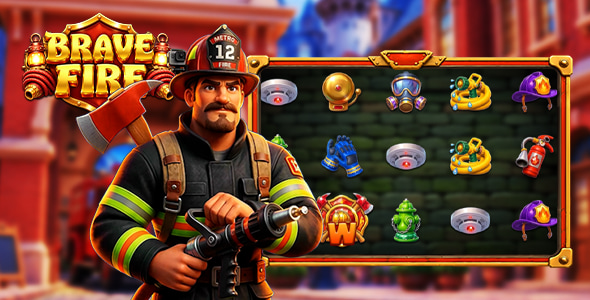
Brave Fire | Construct 3 | HTML5 Slot Game Brave Fire | Construct 3 | HTML5 Slot Game is a casino-inspired browser...

Relic Hunter: Tile Match | 5000 Levels HTML5 Game Relic Hunter: Tile Match | 5000 Levels HTML5 Game is an engaging browser-based...
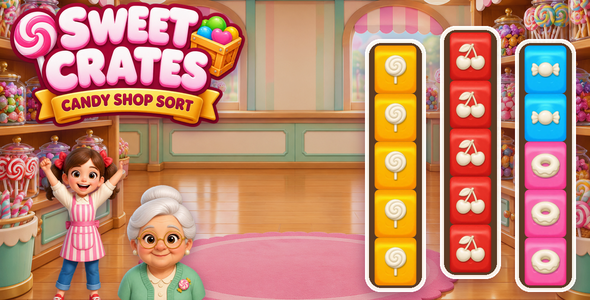
Sweet Crates: Candy Shop Sort | HTML5 Game Sweet Crates: Candy Shop Sort | HTML5 Game is a colorful and engaging browser-based...
