
Social – Network & Community Django Template (Tailwind CSS) is a modern web development template designed for building social networking platforms, online communities, membership-based websites, and interactive digital environments where users can connect, communicate, share content, and participate in group activities. Combining the flexibility of the Django framework with the utility-first styling approach of Tailwind CSS, this template provides a foundation for developers who want to create a customized community-focused web application.
Online communities have become an important part of the digital experience, bringing people together around shared interests, professional goals, hobbies, educational activities, and specialized topics. A well-designed community platform needs an intuitive interface that makes it easy for members to discover content, explore profiles, interact with other users, and participate in discussions. Social can serve as a starting point for developing these experiences through a modern interface and a customizable web application structure.
Whether you are planning a niche social network, a professional community, a private membership platform, a student network, or an interest-based discussion website, this template can help establish the front-end and application foundation for your project. Its Django-based technology stack offers opportunities for server-side development, database integration, and custom application logic, while Tailwind CSS supports flexible visual customization.
The exact pages, interactive features, dependencies, and backend functionality included in the template should be verified in the official product documentation before implementation.
A social networking platform should make it easy for users to discover relevant information and interact with a community without navigating through complicated menus. Social provides a starting point for designing an organized interface around common community activities.
Depending on the included layouts, developers may be able to customize profile pages, content feeds, navigation menus, discussion areas, community sections, and other interface elements commonly associated with social applications.
The design can be adapted to different types of communities. A professional networking website may emphasize member profiles and career-related discussions, while a hobby-based community may focus on shared interests, user-generated content, and group participation.
A consistent visual hierarchy helps members understand where to find information and how to access the platform’s main sections. Developers can adjust colors, typography, spacing, imagery, and component layouts to create a recognizable brand identity.
The supplied template structure and documented features determine which pages and components are already available and which need additional development.
Django is a high-level Python web framework designed to support the development of maintainable, database-driven web applications. It provides established tools for URL routing, request handling, data modeling, form processing, authentication, and administrative operations.
Social’s Django foundation makes it relevant to developers who want to build a community application using Python. Django’s structured architecture can help organize application logic and separate responsibilities across models, views, templates, forms, and other project components.
For a social networking platform, Django can be used to implement features such as member registration, profile management, content publishing, discussion records, and moderation workflows when the appropriate functionality is developed.
The framework also provides an administrative interface that can help authorized administrators manage application data, depending on the project’s configuration.
The exact implementation depends on the delivered source code. Developers should review the Django version, Python requirements, installed packages, database settings, and setup instructions before beginning customization.
Tailwind CSS uses utility classes to style web interfaces through composable rules for layout, spacing, typography, colors, borders, and responsive behavior. This approach allows developers to customize the visual presentation of a website while working directly with its markup and component structure.
For a community platform, consistent styling can help create a recognizable experience across user profiles, content feeds, navigation menus, forms, and discussion sections.
Social’s Tailwind CSS foundation can be adapted to match different branding requirements. Developers can adjust the visual hierarchy, refine spacing, modify component styles, and establish a consistent color system throughout the application.
Responsive utility classes can also help tailor layouts to different screen sizes. The precise Tailwind CSS version and configuration should be checked in the included project files, particularly before introducing additional dependencies or modifying the build process.
User profiles are an important part of most social networking experiences. They allow members to introduce themselves, share relevant information, and establish their identity within a community.
Social can serve as a foundation for creating profile-oriented pages, depending on the included layouts. A customized profile might display a member’s name, profile image, biography, interests, professional information, published content, or other details relevant to the platform.
Different communities require different profile structures. A professional network may emphasize expertise and career information, while a creative community may prioritize portfolios and personal interests.
Developers can connect profile interfaces to Django models and database records to support dynamic information. Additional capabilities may include profile editing, avatar uploads, privacy preferences, account settings, and profile visibility controls.
The exact availability of these features depends on the supplied implementation. Any personal information should be handled according to the platform’s privacy requirements and access-control rules.
A content feed can help members stay informed about discussions, updates, and contributions from other people in the community. It can also provide a central place to discover new content and participate in ongoing conversations.
Social can be customized to support feed-style layouts if they are included in the package or developed as part of the project. Potential content types include text updates, announcements, shared resources, images, and community discussions.
Django can provide the server-side foundation for storing and retrieving user-generated content. Developers can implement the necessary models, validation rules, permissions, and query logic to organize posts and determine which content each member can access.
Additional functionality may include pagination, sorting, content categories, post editing, deletion, and moderation controls. Features such as reactions, comments, bookmarks, and live feed updates require corresponding application logic and should not be assumed to be included automatically.
A useful content feed should present information clearly while providing appropriate controls for members to interact with content.
Many social platforms organize participation around groups, shared interests, or specific topics. These spaces can help members find relevant discussions and connect with people who have similar goals or experiences.
Social can provide a starting point for building group-oriented layouts and community pages, depending on the included features. Developers may customize these sections for public communities, private groups, professional circles, hobby clubs, learning communities, or specialized discussion spaces.
Potential group information includes a name, description, image, membership details, and recent activity. Additional functionality could include group creation, joining requests, member lists, discussion feeds, and administrator controls.
A complete group management system requires suitable database models, authorization rules, and server-side logic. Private groups should enforce membership restrictions on the backend rather than relying only on front-end visibility.
The available group features should be confirmed through the official documentation before planning a project around them.
Communication is central to the success of an online community. Members may need to respond to discussions, ask questions, share ideas, and contact other users.
Social can be extended with interaction features that fit the intended community model. Depending on the supplied code and additional development, these may include comments, reactions, discussion threads, member connections, or direct messaging.
For example, a professional community might focus on discussions and member connections, while an interest-based network could emphasize content sharing and community participation.
If private messaging is required, developers should implement appropriate conversation storage, participant permissions, message validation, and access controls. Real-time communication may also require WebSocket infrastructure or a suitable messaging service.
Notification functionality can help members stay informed about relevant interactions, but email delivery, push notifications, and real-time alerts require appropriate integration and configuration.
These capabilities should be treated as potential extensions unless they are explicitly listed as included features.
A community website generally needs a reliable way to identify users and control access to member-only features. Django includes authentication tools that can support account management when configured appropriately.
Depending on the existing implementation, Social may be extended with registration forms, login pages, logout functionality, password recovery, and account settings. Developers should confirm which of these features are already included.
Additional options may include email verification, profile completion, social sign-in, and invitation-based registration. These capabilities require the appropriate application logic and, in some cases, third-party authentication or email services.
Authentication should be implemented with suitable session handling, secure password practices, and server-side authorization. Access to private profiles, community content, and administrative actions must be checked on the backend.
The presence of Django in a project does not automatically mean every authentication feature is configured or production-ready. Review the supplied code and test the complete registration and login workflows before deployment.
Social networking applications depend on structured information such as user accounts, profiles, posts, comments, groups, and membership records. Django’s model system provides a foundation for representing these relationships and connecting them to a database.
Depending on the project requirements, developers may create or extend models for members, posts, categories, community groups, discussions, and user interactions.
Database-driven content allows the application to display information dynamically instead of relying exclusively on static demonstration content. For example, a profile page can retrieve member information from database records, while a community feed can display posts according to the relevant access rules and sorting criteria.
The database engine, schema, migration process, and included models depend on the supplied project. Developers should follow the official setup instructions and test database migrations before deploying changes.
As a community grows, administrators may need tools to manage accounts, review reports, maintain content quality, and enforce community guidelines.
Social can serve as a starting point for administrative and moderation functionality where supported by the included code or extended through Django. Potential administrative workflows include reviewing user records, managing community content, handling reported posts, and maintaining categories or group information.
Django’s administrative interface can be useful for authorized staff managing configured models. A more customized moderation dashboard may require additional pages, permissions, and workflow logic.
Moderation tools can help address spam, abusive behavior, inappropriate content, and violations of community policies. Depending on the platform’s needs, additional features might include content reporting, account restrictions, moderation notes, and audit records.
These features require appropriate implementation and should not be assumed to be included automatically. Administrative access should be restricted to authorized users, with permissions appropriate to each role.
Community members may access a website from desktop computers, laptops, tablets, and smartphones. A responsive interface helps ensure that important content and controls remain accessible across different screen sizes.
Social’s Tailwind CSS foundation can be used to customize layouts for different viewport sizes, subject to the capabilities of the supplied design. Developers should test profile pages, content feeds, group listings, navigation menus, forms, and interactive controls on mobile devices.
Long posts should remain readable, images should fit appropriately within their containers, and buttons should be easy to use on touchscreens. Navigation can be adapted to provide convenient access to essential sections without overcrowding the available space.
Responsive behavior should be verified across relevant browsers and devices before launch. The finished experience depends on the included styles, customizations, and quality assurance process.
Every online community has a unique identity. A website for developers may use a clean, technical aesthetic, while a creative community may prefer a more expressive design with prominent imagery and personalized content.
Social can be customized to reflect the platform’s brand and audience. Potential adjustments include:
The scope of customization depends on the delivered files and the existing component structure. Developers should replace demonstration content with accurate information and follow consistent styling conventions throughout the application.
Search engine optimization can help public community pages reach users who are looking for relevant information, discussions, or specialist communities.
Social can provide a starting point for organizing discoverable content, subject to its page structure and implementation. Developers can create descriptive page titles, relevant meta descriptions, clear heading hierarchies, meaningful URLs, and useful internal links.
Public group pages, community resources, and topic-based content may provide opportunities to attract visitors through search engines when they offer original and useful information.
However, private content should not be exposed to search engines or unauthorized visitors. Developers should configure appropriate access controls, indexing rules, and metadata according to the platform’s privacy requirements.
SEO performance depends on content quality, technical implementation, competition, site performance, and ongoing optimization. A template alone does not guarantee search rankings or organic traffic.
A social networking website should provide a smooth browsing experience as users explore content, open profiles, and participate in discussions. Performance can be improved through efficient database queries, pagination, optimized images, suitable caching, and careful management of static assets.
Django applications should avoid unnecessarily retrieving large amounts of data for each page request. Developers can review query performance and use appropriate database indexes as the platform grows.
Accessibility is also important. Forms should include meaningful labels, navigation should be predictable, and interactive controls should provide clear feedback. Text and background colors should offer suitable contrast, and important status information should not rely on color alone.
Testing should cover registration, authentication, profile updates, content submission, navigation, responsive layouts, and permission-sensitive pages. Applications that support user-generated content should also be tested for validation errors, unauthorized requests, and unusual input.
Actual performance depends on the implementation, database, hosting environment, content volume, and external services.
Social platforms may handle personal information, user-generated content, private messages, and membership records. These areas require careful security and privacy planning.
Django provides established security features, but developers must configure them correctly. Important considerations include CSRF protection, secure session settings, server-side input validation, authorization checks, appropriate file-upload restrictions, and safe handling of database credentials.
Production deployments should use HTTPS, secure environment configuration, appropriate host settings, and regular dependency updates. Debug mode should be disabled in production, and error responses should not reveal sensitive technical information.
If users can upload profile images or shared content, uploaded files should be validated and handled securely. Private conversations and restricted group content must be protected through backend access controls.
Privacy policies, data retention procedures, and account deletion workflows should be considered according to the platform’s requirements and applicable laws. The exact security capabilities depend on the delivered implementation and any additional development performed.
Social may be suitable for developers, startups, agencies, and organizations planning to create a community-oriented website or social networking application.
Potential users include:
The template may be particularly useful for teams that want a starting point for a Django-based community application and are prepared to customize the design and implement the required backend functionality.
Before selecting the template, review the official demo, source files, included pages, Django and Python versions, Tailwind CSS configuration, database requirements, licensing terms, and documented features.
Social – Network & Community Django Template (Tailwind CSS) provides a foundation for developing modern community websites, social networking interfaces, and membership-oriented web applications. Its combination of Django and Tailwind CSS offers a flexible starting point for creating customized user interfaces and connecting them to database-driven application logic.
From member profiles and content feeds to group pages, discussion areas, and administrative workflows, the template can be adapted to support a variety of community-focused projects. Developers can extend the implementation with authentication, messaging, notifications, moderation tools, and other features according to their application’s needs.
The final capabilities depend on the actual template package and the additional functionality implemented during development. Verify the included components, framework versions, dependencies, installation requirements, and licensing terms in the official product documentation before beginning your project.
With thoughtful customization, secure backend development, and a focus on usability, Social can serve as a useful starting point for building an engaging, responsive, and maintainable online community platform.
1. All digital products are the most recent version, with no possibility of free updates. After payment, you can request an update to the most recent version for 5 days if a new version is released. We free support within 5 days.
2. If a license is required (Excludes WHMCS license , we provide only method not license), please contact us via email or ticket for assistance with activation. Our license is only valid for activation and does not include support.
3. We provide Mobile, PHP script installation services for $19.90 / ₹1700. Please create a backup after installation as we do not support re-installation. For mobile app source code, we do not offer installation services.
4. If you have any questions, please contact us by email [email protected] or create a ticket on this page
5. Please note that any digital products presented on the website do not contain malicious code, viruses or advertising. You will receive the original files from the developers. We do not sell any products that have been downloaded from other websites.
6. The response time can last up to 6 hours.

Befox - Digital Agency & Creative Portfolio HTML Template Befox is a modern and professionally crafted HTML template designed for digital agencies,...
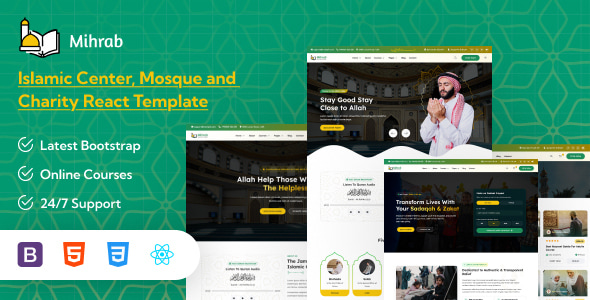
Mihrab – Islamic Centre, Mosque, Charity & Online Courses React Template Mihrab is a modern, elegant, and purpose-driven Islamic Centre, Mosque, Charity...

Folio - Multipurpose AI, SaaS & Technology Tailwind CSS Django Template Folio - Multipurpose AI, SaaS & Technology Tailwind CSS Django Template...
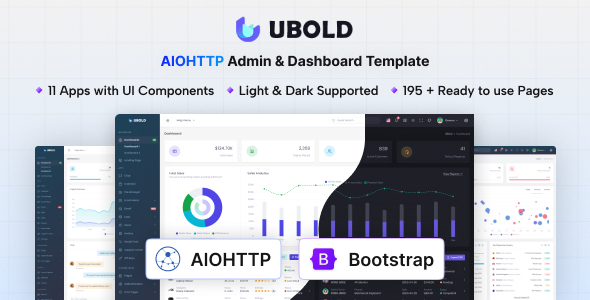
UBold - HTML & AIOHTTP Admin & Dashboard Template UBold - HTML & AIOHTTP Admin & Dashboard Template is a versatile web...
