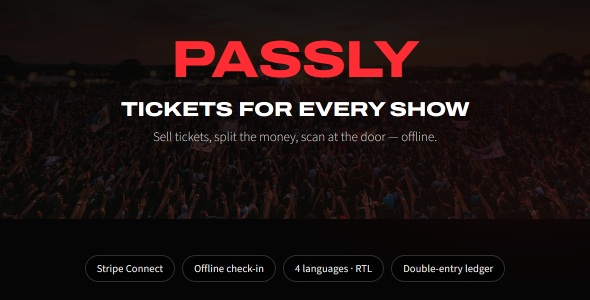
Passly | Self-Hosted Event Ticketing Marketplace is a modern software solution designed for entrepreneurs, event organizers, ticketing businesses, and developers who want to build their own online event ticketing platform. With a self-hosted approach, Passly provides a potential foundation for creating a branded marketplace where customers can discover events and access ticket purchasing workflows, while organizers can promote their events through a centralized digital platform. It is suitable for businesses exploring event ticket sales, entertainment marketplaces, conference booking platforms, and digital event management services.
Online ticketing has become an important part of how people discover and attend concerts, festivals, workshops, business conferences, exhibitions, and community gatherings. A dedicated ticketing marketplace can help bring event information and ticket-related activities together in one place. Passly is positioned for this type of use case, offering a software category relevant to businesses that want greater control over their ticketing platform and its deployment.
Whether you plan to create a local event marketplace, launch a ticketing business for multiple organizers, or develop a customized event discovery website, Passly can be evaluated as a potential starting point. Its exact capabilities depend on the features included in the purchased version, supported integrations, and the configuration options provided by the developer.
A dedicated event ticketing website gives customers a central place to explore events and find information before deciding to attend. It can also provide event organizers with a digital channel for presenting their programs to potential audiences.
Passly is designed around the self-hosted event ticketing marketplace concept. This makes it relevant to businesses interested in operating their own event platform rather than relying exclusively on an external ticketing marketplace.
Depending on the included functionality, the platform may support event presentation, ticket-related workflows, and a marketplace-style experience. Organizers and administrators should verify the specific event publishing, purchasing, and management capabilities before selecting the software for production use.
With appropriate customization, a ticketing marketplace can serve different event categories, audiences, and geographic markets while maintaining a consistent brand identity.
Self-hosting allows a business to deploy supported software within its own hosting environment instead of relying entirely on a third-party hosted ticketing service. For businesses that want greater control over their infrastructure, branding, and technical configuration, this can be an important consideration.
Passly’s self-hosted positioning makes it worth evaluating for entrepreneurs and organizations that want to operate a branded ticketing platform. Depending on the product’s licensing terms and technical architecture, administrators may have opportunities to configure the application, manage deployment, and customize supported parts of the experience.
However, self-hosting also means taking responsibility for hosting costs, updates, backups, security, and operational maintenance. The exact level of source-code access and customization permitted depends on the license and product package.
Before purchasing, review the deployment documentation, server requirements, licensing terms, and any recurring service dependencies.
Event discovery is an important part of a successful ticketing marketplace. Visitors need clear information about available events so they can decide which activities match their interests and schedules.
Passly can be evaluated for its ability to present event information in an organized online interface. Depending on the included features, event listings may display details such as event titles, descriptions, dates, locations, images, and ticket information.
Potential event categories for a marketplace include:
Organizing events into relevant categories can help visitors navigate the marketplace more easily. Search, filtering, location-based discovery, and sorting options should be verified in the official feature list before being advertised as included functionality.
A multi-organizer ticketing marketplace can create opportunities for event hosts to promote their programs through a shared platform. Rather than building a separate ticketing website for every event, organizers may be able to use a common system to present event details and manage relevant activities.
Passly’s marketplace concept makes it relevant to businesses considering an event platform that serves multiple organizers. Depending on the implementation, organizer-related features may include event submission, event information management, ticket configuration, or access to sales-related information.
The exact organizer dashboard, approval workflow, permissions, and event management tools must be confirmed through the product documentation.
For businesses planning to operate a marketplace, it is also important to define how organizer accounts are reviewed, how event information is verified, and how customer support responsibilities are divided between the marketplace operator and event hosts.
A ticketing marketplace needs a clear process that connects event discovery with ticket purchasing. Customers should be able to understand which tickets are available, what they cost, and what steps are required to complete a booking.
Depending on the features included in Passly, the application may provide ticket-related purchasing workflows or support integrations for processing transactions. Before purchase, verify whether it supports different ticket types, quantity selection, order records, checkout, ticket delivery, and purchase confirmations.
Possible ticket categories for an event business include general admission, premium access, early-bird offers, and reserved seating. These are common event ticketing use cases and should not be treated as confirmed Passly features unless the developer explicitly lists them.
The checkout process should clearly communicate ticket prices, service fees, taxes where applicable, refund conditions, and other purchase terms. A reliable workflow can help reduce customer confusion and support a more professional ticket-buying experience.
Online ticketing platforms often require secure payment processing to support ticket purchases. Passly should be evaluated for its supported payment gateways and transaction workflow before being selected for a commercial marketplace.
Depending on the implementation, payment integrations may allow customers to complete purchases through supported payment providers. However, the availability of specific gateways, currencies, payout options, and refund tools must be verified in the official documentation.
For a marketplace serving multiple organizers, payment handling requires additional planning. The operator may need to define how ticket revenue is collected, how fees are calculated, when organizer payouts occur, and how cancellations or refunds are processed.
Some payment providers require additional onboarding or marketplace-specific approval. These requirements are separate from installing the ticketing software.
A ticketing marketplace benefits from a centralized administrative process for managing event listings, users, and platform activity. Administrators may need to review event submissions, maintain marketplace information, resolve customer inquiries, and enforce event publishing policies.
Passly can be evaluated for the administrative capabilities included in its current release. Depending on the implementation, these may support the management of events, accounts, or ticket-related records.
Before purchasing, confirm whether the platform includes administrative dashboards, event moderation, role-based access, sales reporting, and controls for handling cancellations or disputes.
For businesses operating a marketplace, clearly defined administrative procedures help maintain consistent event information and establish accountability among platform operators and event organizers.
A recognizable brand helps distinguish an event ticketing marketplace from competing platforms. Passly’s self-hosted positioning makes customization an important consideration for businesses that want to establish their own visual identity.
Depending on the available configuration options and licensing terms, you may be able to customize supported elements such as logos, colors, typography, page content, and other interface components.
For example, a platform specializing in music festivals may use bold promotional imagery, while a business conference marketplace may prefer a more corporate visual style. Consistent branding across event pages, informational pages, and purchasing screens can create a more cohesive user experience.
Review the source code and documentation to determine how much customization is supported and whether major changes require additional development.
Many users discover events and purchase tickets from smartphones. A mobile-friendly experience is therefore important for helping customers browse event information and complete supported purchasing workflows.
When evaluating Passly, check how the marketplace performs on desktop computers, tablets, and mobile devices. Event descriptions, ticket information, navigation, and checkout elements should remain easy to read and use on smaller screens.
A responsive layout can help customers review event details while travelling or sharing event information with friends. If the platform supports digital ticket delivery, verify that customers can conveniently access the relevant ticket information on their devices.
Mobile usability should be tested after deployment because the final experience also depends on configuration, hosting performance, and any additional integrations.
A self-hosted event ticketing marketplace can support different business models, depending on its available functionality and the operator’s commercial strategy.
Potential models include:
These are possible business strategies rather than guaranteed built-in monetization features. Passly’s actual support for commissions, subscriptions, organizer plans, or promotional listings should be confirmed before creating a business plan around them.
A sustainable marketplace also needs to consider customer acquisition, organizer onboarding, payment processing costs, support requirements, and event verification.
Passly may be worth evaluating for organizations that want to build or operate an online ticketing marketplace, including:
The best fit depends on the platform’s verified feature set and whether it can support the event categories, payment workflows, organizer relationships, and operational requirements of the business.
Search engine visibility can help customers discover events when looking for activities, entertainment, conferences, and local experiences. A well-organized event website can support discoverability by providing useful information about individual events and the marketplace itself.
When evaluating Passly, review how event pages are structured, whether page metadata can be configured, and how the application handles publicly accessible event information.
Useful SEO practices may include descriptive event titles, informative descriptions, accurate location details, optimized images, and relevant internal links. Event-specific structured data may also be appropriate if it is correctly implemented and supported by the website.
For local marketplaces, location-specific pages and clear event information may help visitors understand which activities are available in their area. Search engine visibility is not guaranteed by the software itself and depends on content quality, technical configuration, competition, and ongoing optimization.
The deployment process for Passly depends on its technology stack, server requirements, dependencies, and the instructions provided by the developer. Before installation, review the required runtime versions, database configuration, server environment, and any external services needed for the application to function.
A typical deployment process may involve preparing a compatible hosting environment, uploading or cloning the application according to the license, installing dependencies, configuring environment variables, setting up the database, and testing the application.
If the platform integrates with payment providers or email services, configure the required credentials securely and test the transaction and notification workflows before launch.
For a production marketplace, maintain backups, monitor application errors, apply updates, and verify that important workflows remain functional after changes. A staging environment can help identify issues before they affect customers.
Event ticketing platforms may process personal information, order details, and payment-related transaction records. Protecting this information is essential for maintaining customer confidence and meeting applicable obligations.
Before deploying Passly, review its authentication mechanisms, user permissions, data storage approach, and security documentation. Use HTTPS, restrict administrative access, protect API credentials, and keep application dependencies updated.
Payment card details should be handled through appropriately configured payment providers rather than stored directly unless the system and relevant compliance arrangements explicitly support such handling. Businesses should also maintain suitable privacy notices and establish data retention practices.
Specific security features and compliance certifications should be confirmed in the official product documentation rather than inferred from the self-hosted model.
Passly is worth considering for entrepreneurs and developers who want to explore a self-hosted solution for event discovery and ticketing.
Potential reasons to evaluate the platform include:
The final capabilities depend on the purchased version, documented functionality, supported integrations, and additional development required for your business.
Passly | Self-Hosted Event Ticketing Marketplace is a software product aimed at businesses and developers interested in operating their own online event ticketing platform. Its self-hosted positioning may appeal to entrepreneurs who want a branded environment for presenting events and exploring ticket-related workflows.
Whether you plan to build a local event discovery service, a conference ticketing website, or a marketplace for multiple event organizers, Passly is worth evaluating against your operational and technical requirements. Before launch, confirm its actual event management tools, payment gateways, ticket delivery methods, organizer features, licensing terms, and deployment requirements.
For a digital products marketplace, Passly can be positioned as a self-hosted event ticketing software solution for users researching event marketplace applications. A feature-verified product listing will help buyers understand the included functionality and decide whether the software suits their project.
1. All digital products are the most recent version, with no possibility of free updates. After payment, you can request an update to the most recent version for 5 days if a new version is released. We free support within 5 days.
2. If a license is required (Excludes WHMCS license , we provide only method not license), please contact us via email or ticket for assistance with activation. Our license is only valid for activation and does not include support.
3. We provide Mobile, PHP script installation services for $19.90 / ₹1700. Please create a backup after installation as we do not support re-installation. For mobile app source code, we do not offer installation services.
4. If you have any questions, please contact us by email [email protected] or create a ticket on this page
5. Please note that any digital products presented on the website do not contain malicious code, viruses or advertising. You will receive the original files from the developers. We do not sell any products that have been downloaded from other websites.
6. The response time can last up to 6 hours.
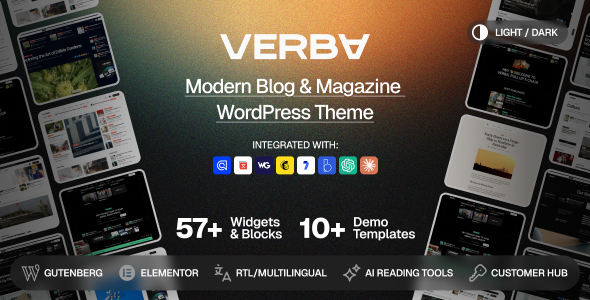
Verba – Modern Blog & Magazine WordPress Theme Verba – Modern Blog & Magazine WordPress Theme is a modern, elegant, and versatile...
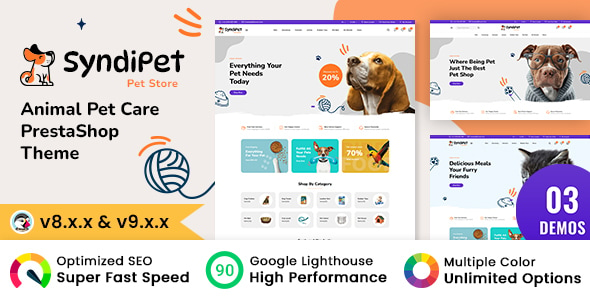
Syndipet - Animal Pet Care and Pet Food Store PrestaShop Theme Syndipet - Animal Pet Care and Pet Food Store PrestaShop Theme...

VibeLoop Social | Flutter Video and Live App With Laravel Admin VibeLoop Social | Flutter Video and Live App With Laravel Admin...

Canvas | The Multi-Purpose AI Theme & Website Builder Canvas | The Multi-Purpose AI Theme & Website Builder is a versatile website...
