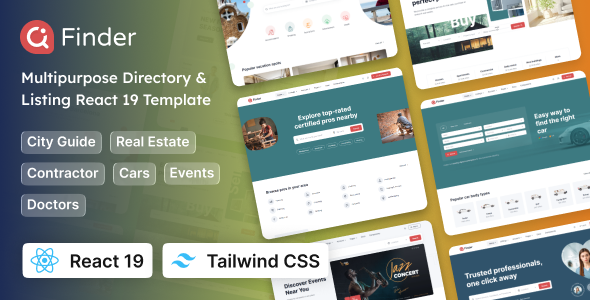
Finder – Multipurpose Tailwind CSS 4 Directory & Listing React Template is a modern and versatile website template designed for creating professional business directories, online listing platforms, service discovery websites, and location-based business portals. Built around React and Tailwind CSS 4, this directory and listing React template provides a flexible frontend foundation for developers, startups, agencies, and business owners who want to establish a polished online platform for discovering and presenting businesses, services, destinations, and other listings. Its contemporary design approach and customizable interface make it suitable for a wide range of directory-based projects, from local business discovery websites to specialized industry listing platforms.
With the growing demand for online directories and digital discovery services, businesses need websites that make information accessible, organized, and easy to explore. Finder offers a starting point for developing these experiences through structured layouts, reusable interface elements, and modern styling possibilities. Whether you are planning a restaurant directory, a professional services portal, a travel listing website, or a niche business discovery platform, this React website template can help simplify the frontend development process and provide a consistent visual foundation for your project.
By combining React’s component-based architecture with the utility-first styling capabilities of Tailwind CSS 4, Finder gives developers a flexible environment for customizing layouts, adapting branding, and extending the interface according to their requirements. The template can serve as a foundation for projects that need a modern appearance while allowing room for future enhancements, integrations, and application-specific functionality.
Finder is a multipurpose directory and listing website template intended for projects that organize information into accessible and visually structured formats. Directory websites typically allow visitors to explore businesses, compare available services, browse categories, and review relevant information before making a decision. A well-organized interface plays an important role in helping visitors navigate these platforms, and Finder provides a frontend starting point for building such experiences.
The template’s React foundation supports a component-oriented development workflow, allowing developers to organize interface elements into reusable sections. This approach can make it easier to maintain consistent styling across different pages and update shared elements as a project develops. Meanwhile, Tailwind CSS 4 provides a modern styling workflow for customizing colors, typography, spacing, layout behavior, and other visual details.
Finder is suitable for developers who want to customize a directory-focused design rather than build an entire interface from scratch. The exact pages, components, dependencies, and included functionality should be confirmed through the original product package and documentation.
A successful directory website should present information clearly and help visitors understand where to find the content they need. Finder is designed for directory and listing applications, making it a useful starting point for creating an organized browsing experience.
A structured interface can help businesses display essential information, including names, descriptions, categories, images, locations, and contact details where appropriate. Developers can adapt these content areas to suit the type of listings presented on the website. For example, a restaurant directory may emphasize food photography and cuisine categories, while a professional services portal may prioritize service descriptions and business information.
The visual presentation can also be customized to establish a consistent brand identity. Developers can adjust the overall layout, typography, spacing, and visual hierarchy to match their target audience. By keeping content organized and interface elements consistent, a directory platform can offer a more intuitive experience across different types of listings.
Finder provides a React and Tailwind CSS 4 foundation for developing directory and listing interfaces. Its suitability for different projects comes from the flexibility to adapt frontend layouts and styling to individual requirements.
Key development possibilities include:
React-Based Frontend: Use a component-oriented architecture to organize and customize website interface elements.
Tailwind CSS 4 Styling: Adjust visual properties and layouts through utility-based styling.
Directory-Focused Layouts: Adapt the interface for presenting businesses, services, destinations, and other listing types.
Flexible Content Organization: Structure listing information according to the needs of your industry or business model.
Reusable Components: Maintain consistent interface patterns across pages where the implementation supports component reuse.
Custom Branding: Modify the design to reflect your preferred colors, typography, and overall visual identity.
Responsive Layout Customization: Adapt the interface for desktop, tablet, and mobile screen sizes.
Extensible Frontend: Build additional pages and integrate application features as your project evolves.
Industry-Specific Adaptation: Customize the directory experience for different niches, audiences, and commercial applications.
These capabilities describe the template’s development potential rather than guaranteeing that every advanced feature is included as a ready-to-use function.
Directory websites depend on clear information architecture. Visitors should be able to understand the available categories, explore relevant listings, and access useful information without unnecessary complexity.
Finder can serve as a foundation for creating listing-oriented layouts that organize content into logical sections. Developers can adapt the available interface to display business names, descriptions, images, addresses, service categories, and other relevant details, depending on the original components and the data supplied to the application.
Different directory projects may require different presentation strategies. A local business platform may focus on geographical information, whereas a professional directory may highlight expertise, service offerings, and company profiles. A travel directory may prioritize destination imagery and descriptive content.
By customizing the listing structure, developers can align the website with the expectations of their intended audience. Additional functionality, such as dynamic category filtering, sorting, or database-driven listings, may require suitable application logic and backend integration.
Customization is important when adapting a multipurpose template to a particular business identity. Finder’s React and Tailwind CSS 4 foundation provides developers with a starting point for modifying the interface and creating a distinctive website.
You can customize the visual appearance by adjusting brand colors, font choices, spacing, typography, content sections, and component layouts. Listing cards and information areas can also be adapted to accommodate different types of content where the underlying implementation allows it.
For example, a real estate directory might use larger property images and detailed information sections, while a business services portal might emphasize company descriptions and contact information. Similarly, a travel directory could use destination-focused imagery and content layouts tailored to tourism.
Developers can also extend the existing frontend with new sections or reusable components as project requirements change. The extent of customization depends on the supplied source files, component structure, dependencies, and documentation.
Responsive design is an important consideration for directory and listing websites because visitors may access them from desktop computers, tablets, and smartphones.
Finder can be adapted to support different screen sizes through responsive layout techniques available within the frontend implementation and Tailwind CSS 4 styling workflow. Developers can adjust spacing, column arrangements, text sizing, image presentation, and navigation behavior to improve usability across devices.
For example, a multi-column listing layout on a desktop screen may need to display fewer columns on a tablet and a single-column arrangement on a smaller smartphone. Navigation and interactive elements may also need adjustments to remain comfortable to use on touchscreens.
The final responsive behavior should be tested across relevant browsers and devices after customization. Actual responsiveness depends on the supplied implementation and any changes made during development.
Search and category navigation are common requirements for directory websites. They help visitors locate relevant information within a potentially large collection of businesses, services, or other listings.
Finder can provide a frontend starting point for implementing discovery-oriented interfaces, depending on the components included in the original package. Developers may adapt search fields, category selectors, filters, and sorting controls to suit the intended application.
However, an interface element alone does not guarantee a functioning search system. Dynamic search, advanced filtering, location-based results, and database queries generally require application logic and a suitable data source. Depending on the project, this may involve a backend API, database integration, or third-party service.
By separating the visual interface from the underlying data and business logic, developers can build a directory experience that fits their specific requirements without assuming that every advanced discovery feature is included by default.
React is widely used for building interactive user interfaces, particularly applications that benefit from reusable components and organized frontend code. Its component-based approach can help developers structure a directory website into maintainable sections.
Tailwind CSS 4 complements this workflow with utility-based styling. Instead of relying exclusively on large collections of custom CSS rules, developers can use utility classes to refine spacing, layout, typography, colors, and responsive behavior.
Together, these technologies provide a flexible foundation for frontend development. Developers familiar with React can adapt existing components, introduce new interface elements, and connect the frontend to application data where required.
Before starting a project, review the template’s package structure, dependency versions, build commands, and setup instructions. The exact development workflow may vary according to the supplied files and project configuration.
A directory platform may eventually require additional services to support its business model. Depending on the intended application, these may include backend APIs, databases, authentication providers, map services, analytics tools, or content management systems.
Finder can be extended with suitable integrations when the supplied architecture and development requirements allow them. For example, an API could provide listing information, while a database could store business profiles and category relationships.
Nevertheless, the presence of a React frontend does not automatically provide these services. User accounts, listing submissions, moderation workflows, payment processing, and administrative dashboards may require separate development or third-party integrations unless they are explicitly included in the product package.
Customers should also verify the required Node.js version, package manager, dependencies, browser support, and other compatibility requirements before installation.
Search engine optimization is important for directory websites that aim to attract visitors searching for businesses, services, or destinations. A well-organized website can support discoverability by presenting meaningful content through clear headings, descriptive text, and logical page structures.
When customizing Finder, developers should use descriptive page titles, relevant meta descriptions, accessible navigation, meaningful image alternative text, and appropriate internal links. Individual listing pages should provide useful, original information rather than relying entirely on repetitive or thin content.
Technical SEO considerations may include rendering strategy, canonical URLs, sitemap generation, structured data where appropriate, and control over indexing. These capabilities depend on the final application architecture and may require additional implementation.
Performance should also be evaluated after customization. Optimizing images, managing JavaScript bundles, removing unnecessary dependencies, and testing page loading behavior can contribute to a better user experience. A template alone cannot guarantee search rankings, Core Web Vitals results, or a specific performance score.
Finder’s multipurpose directory design makes it adaptable to a variety of business and community projects.
Local Business Directories: Create a website that organizes restaurants, retail stores, offices, and local service providers into useful categories.
Professional Service Listings: Develop a platform for presenting consultants, freelancers, agencies, repair specialists, and other professionals.
Travel and Tourism Directories: Customize listing interfaces for destinations, attractions, accommodations, and travel-related businesses.
Restaurant and Hospitality Listings: Organize restaurants, cafés, hotels, and other hospitality businesses into a structured browsing experience.
Real Estate Listing Platforms: Adapt the frontend for displaying property information, real estate agencies, and property categories. Property search and listing management may require additional application functionality.
Event and Activity Directories: Create an interface for presenting activities, venues, events, and community resources.
Niche Industry Portals: Build specialized directories for healthcare providers, educational services, creative professionals, or other industries, subject to relevant regulatory and privacy requirements.
Startup Discovery Platforms: Use the frontend as a starting point for a specialized discovery website that can be expanded as the business grows.
Finder is suitable for several types of users working on directory-based web projects.
Web Developers: Developers looking for a React-based starting point for a directory or listing website.
Freelancers: Independent professionals building customized directory interfaces for clients.
Web Design Agencies: Teams developing business discovery portals and niche listing websites.
Startup Founders: Entrepreneurs planning a directory-oriented digital product.
UI Developers: Professionals who want to adapt a modern frontend layout to a specific project.
Digital Businesses: Organizations that need a customizable interface for presenting businesses, services, or other resources online.
Basic familiarity with React, JavaScript, CSS, and frontend project setup is useful for making substantial modifications. Backend development knowledge may also be necessary when implementing dynamic data, user accounts, or advanced application features.
Getting started with Finder involves reviewing the supplied project files and following the installation instructions provided by the original developer.
Step 1: Extract the Product Package
Download the product files and extract the archive to a suitable working directory. Review the available source files, documentation, and any included demo or configuration resources.
Step 2: Check the Development Requirements
Confirm the required Node.js version, package manager, React version, Tailwind CSS 4 configuration, and other dependencies specified in the documentation.
Step 3: Install Dependencies
Use the package manager and installation commands recommended by the original project. Avoid assuming that every React template uses the same setup procedure.
Step 4: Start the Development Environment
Follow the supplied scripts to launch the local development server. Review the terminal output and resolve any dependency or configuration errors before making extensive changes.
Step 5: Customize the Website
Modify the branding, content, layout, listing presentation, and other interface elements to match your project. Check that the changes remain consistent across relevant pages and devices.
Step 6: Add Required Application Functionality
If your project needs dynamic listings, search, authentication, map integration, or database connectivity, implement the necessary services or connect suitable existing systems.
Step 7: Test Before Deployment
Review the website on multiple screen sizes and browsers. Check navigation, links, console errors, accessibility, loading performance, and any implemented interactive features before deploying the application.
The exact commands and configuration steps depend on the contents of the purchased package.
Finder is a frontend template, and its exact scope should be determined by the supplied product files and documentation. The availability of a particular page, component, integration, or feature should not be assumed unless it is explicitly documented.
Advanced functionality such as user registration, business-owner dashboards, listing submissions, database storage, map-based search, payment processing, and administrative management may require additional development if they are not included.
Customers should verify the framework and dependency requirements, included source files, supported environments, licensing terms, and any third-party requirements before using the template in a commercial project. Proper testing and deployment configuration are also necessary before launching a production website.
Finder – Multipurpose Tailwind CSS 4 Directory & Listing React Template provides a flexible foundation for developers and businesses planning to create modern directory websites, business listing platforms, service discovery portals, and other listing-oriented web applications. Its React foundation and Tailwind CSS 4 styling workflow support interface customization, reusable frontend development, and adaptation to different industries.
Whether you are building a local business directory, a professional service portal, a travel listing website, or a specialized discovery platform, Finder can help establish a consistent starting point for your frontend project. With thoughtful customization, appropriate integrations, and careful testing, this directory and listing React template can be adapted to support your website’s design goals and evolving business requirements.
1. All digital products are the most recent version, with no possibility of free updates. After payment, you can request an update to the most recent version for 5 days if a new version is released. We free support within 5 days.
2. If a license is required (Excludes WHMCS license , we provide only method not license), please contact us via email or ticket for assistance with activation. Our license is only valid for activation and does not include support.
3. We provide Mobile, PHP script installation services for $19.90 / ₹1700. Please create a backup after installation as we do not support re-installation. For mobile app source code, we do not offer installation services.
4. If you have any questions, please contact us by email [email protected] or create a ticket on this page
5. Please note that any digital products presented on the website do not contain malicious code, viruses or advertising. You will receive the original files from the developers. We do not sell any products that have been downloaded from other websites.
6. The response time can last up to 6 hours.

Lumex - Business Consulting NextJS Template Lumex - Business Consulting NextJS Template is a modern website template designed for business consultants, management...
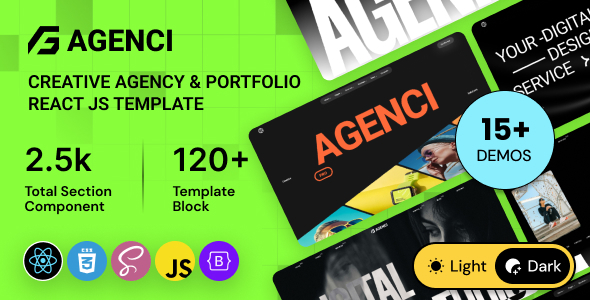
Agenci – Creative Agency & Portfolio React JS Template Agenci – Creative Agency & Portfolio React JS Template is a modern, creative,...
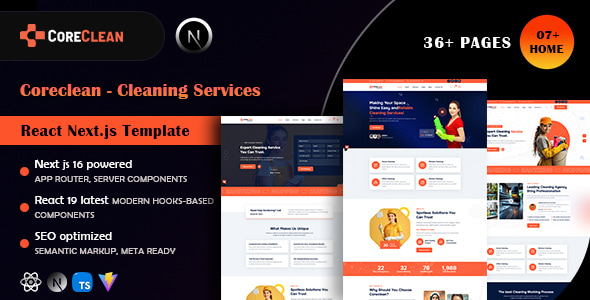
Coreclean - Cleaning Services React Next.js Template Coreclean - Cleaning Services React Next.js Template is a modern and professional website template designed...
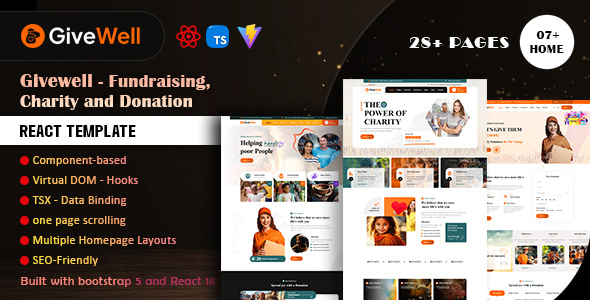
Givewell - Fundraising, Charity and donation React Template Givewell - Fundraising, Charity and donation React Template is a modern website template designed...
