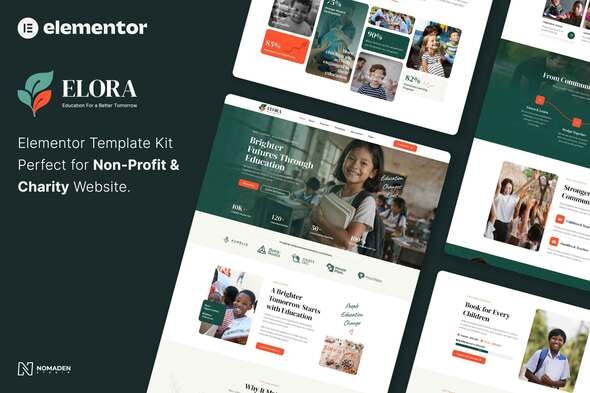
Elora – Non-Profit & Charity Elementor Template Kit is a professionally designed website template kit created for nonprofit organizations, charitable foundations, humanitarian initiatives, community groups, social enterprises, and fundraising campaigns. Built for WordPress and Elementor, this template kit provides a customizable foundation for creating an engaging online presence, communicating an organization’s mission, showcasing community projects, and encouraging people to participate in meaningful causes.
For nonprofit organizations, a website is an important tool for building trust, sharing impact stories, attracting volunteers, and communicating with supporters. Elora offers a starting point for presenting charitable initiatives, introducing the people behind the organization, highlighting fundraising activities, and explaining how visitors can contribute to a cause.
Whether you manage a charitable foundation, an environmental organization, an educational initiative, an animal welfare group, or a community development project, this template kit can be adapted to reflect your mission and visual identity. Its Elementor-based editing workflow allows you to customize page layouts, typography, colors, images, and written content within a compatible WordPress environment.
The exact page templates, widgets, and integrations included should be verified in the official product documentation. Elora is an Elementor Template Kit rather than necessarily a standalone WordPress theme or a complete fundraising management platform.
A nonprofit website should communicate its purpose clearly and help visitors understand why its work matters. Supporters often want to learn about an organization’s mission, discover the communities it serves, review its projects, and find meaningful ways to get involved.
Elora provides a design foundation for presenting this information in a visually consistent and accessible format. Its customizable layouts can be adapted to different organizational identities, from small community charities to established nonprofit institutions.
Organizations can personalize the design using their own brand colors, photography, typography, and messaging. A clear visual hierarchy can help visitors move naturally from learning about the mission to exploring current initiatives or contacting the organization.
By combining informative content with authentic stories and compelling imagery, nonprofits can create a website that communicates their values and encourages stronger relationships with their communities.
Elora can serve as a starting point for a variety of organizations working to create positive social, environmental, and community outcomes.
Charitable Foundations
Present the foundation’s mission, community initiatives, impact stories, and opportunities for public support.
Humanitarian Organizations
Communicate relief activities, community assistance programs, and relevant information about ongoing initiatives.
Educational Nonprofits
Highlight educational access programs, learning resources, scholarship initiatives, and student support activities.
Environmental Organizations
Showcase conservation projects, sustainability campaigns, environmental education, and community participation opportunities.
Animal Welfare Charities
Introduce animal rescue initiatives, welfare programs, adoption activities, and ways to support animal care.
Community Development Groups
Explain local projects involving essential services, neighborhood improvement, skills development, and community participation.
Health and Social Support Organizations
Present relevant programs, awareness campaigns, outreach services, and information about available assistance.
Volunteer Networks
Communicate volunteer opportunities, explain participation requirements, and introduce ongoing community projects.
These are potential use cases rather than a guarantee that the kit includes dedicated layouts for every nonprofit category.
The homepage is often the first place a potential supporter encounters an organization. It should communicate the mission, establish credibility, and make it easy for visitors to explore projects or learn how to participate.
Elora can be customized to create a homepage that combines an engaging introduction with useful information about the organization’s work.
Depending on the available templates, a homepage may feature:
These are suggested content ideas rather than confirmed built-in features.
A strong homepage should prioritize clarity and authenticity. Visitors should be able to understand what the organization does, whom it serves, and how they can help without searching through multiple pages.
Using real photographs and clear descriptions of ongoing work can make the website more informative and relatable.
A clearly articulated mission helps visitors understand the purpose of a nonprofit organization and the change it aims to create.
Elora’s customizable layouts can provide a suitable foundation for presenting the organization’s background, mission, vision, values, and long-term objectives.
An effective mission statement should explain the issue the organization addresses, the people or communities it supports, and the approach it takes to achieve its goals.
For example, an educational nonprofit might focus on improving access to learning resources, while an environmental organization may emphasize conservation and community awareness.
A dedicated About Us page can expand on this information by explaining the organization’s history, guiding principles, leadership, and approach to community engagement.
Clear, specific messaging helps supporters understand the organization’s purpose and distinguish its work from other initiatives addressing similar issues.
Project pages help nonprofits explain how their work translates into practical action. Supporters may want to know which communities are being served, what activities are taking place, and what progress has been made.
Elora can provide a visual foundation for presenting charitable projects through the layouts available in the kit.
Depending on the templates included, project sections may feature:
For example, an organization might showcase a community education program, a food distribution initiative, a local environmental cleanup, or a campaign supporting vulnerable families.
These examples illustrate potential content rather than guaranteed preconfigured project management functionality.
When reporting impact, organizations should distinguish between goals, ongoing activities, and verified results. Accurate reporting helps maintain credibility and allows supporters to understand how the organization is progressing.
Fundraising is an important activity for many nonprofit organizations. A website can help explain why a campaign exists, what it aims to accomplish, and how supporters can contribute.
Elora can be customized to present fundraising campaigns and calls to action using appropriate page sections, depending on the included templates.
A campaign page may communicate:
Clear fundraising information can help potential donors understand the purpose of a campaign before deciding whether to support it.
However, a visual template kit does not necessarily include a working donation system, payment processing, recurring contributions, donor records, or fundraising analytics. These capabilities may require additional plugins, third-party fundraising platforms, or custom development.
Organizations should use secure payment providers and ensure that fundraising claims, donation terms, and financial disclosures accurately reflect their operations and applicable legal requirements.
Volunteers contribute time, skills, and experience to many charitable initiatives. A dedicated volunteer section can help organizations explain available opportunities and guide interested people through the next steps.
Elora can provide a design foundation for introducing volunteer activities and communicating participation requirements.
Potential content may include:
A nonprofit might recruit volunteers for educational programs, community events, environmental projects, fundraising activities, or outreach initiatives.
Contact forms or volunteer registration workflows may require additional plugins or external services. Organizations should also establish appropriate screening, safeguarding, and privacy procedures when volunteer roles involve children or vulnerable communities.
A clear volunteer page can make it easier for interested individuals to understand how their time and skills may support the organization’s mission.
People often connect with charitable causes through personal stories and examples of community progress. Impact stories can help explain the real-world context behind a nonprofit’s activities.
Elora’s layouts can be customized to present stories, interviews, project updates, and testimonials where suitable.
An impact story might describe how a community program operates, explain the challenges faced by participants, or document a project’s progress over time.
Organizations can also use testimonials from volunteers, beneficiaries, partners, and supporters when they have appropriate permission.
All stories should be presented respectfully, with particular attention to consent, dignity, and the privacy of people receiving assistance. Claims about outcomes should be supported by reliable information, and sensitive personal details should not be published without proper authorization.
Authentic storytelling can help visitors understand the purpose of a charitable initiative while maintaining a responsible approach to communication.
Supporters may visit nonprofit websites through smartphones, tablets, laptops, and desktop computers. A responsive website helps ensure that mission statements, project information, campaign details, and contact options remain accessible across screen sizes.
Elementor provides visual editing tools for adjusting layouts and styling. Depending on the template kit’s implementation, Elora’s pages can be customized to improve text readability, image presentation, spacing, navigation, and call-to-action placement across different devices.
During customization, developers should review the appearance of project cards, campaign information, volunteer sections, and forms on mobile devices.
Important information should remain easy to locate, and donation or registration buttons should be accessible without unnecessary scrolling.
Responsive behavior should be tested before launch because the final experience depends on the imported templates, WordPress theme, plugins, and subsequent modifications.
Elementor is a visual page-building tool for WordPress that enables users to customize website layouts through a graphical editing interface.
As an Elementor Template Kit, Elora provides a starting point for building a nonprofit website without manually coding every visual section.
Depending on the included templates and widgets, customization may involve:
This workflow can be useful for nonprofit teams that want to manage website content and for agencies creating websites for charitable organizations.
A template kit is not necessarily a standalone WordPress theme. Elementor Pro or additional plugins may be required for particular layouts or widgets, so the official documentation should be checked before installation.
Supporters may want to understand who manages an organization, how it operates, and which partners contribute to its work.
Elora can be customized to present organizational background information, leadership profiles, team introductions, and relevant partnerships.
An About Us page may explain the organization’s founding purpose, history, values, and operating approach. A team section can introduce staff members, project coordinators, and relevant professionals.
Where appropriate, the website may also acknowledge partner organizations, sponsors, community groups, or institutional collaborators.
Organizations should obtain permission before using partner logos or publishing personal information. Any claims about endorsements, affiliations, certifications, or funding relationships should be accurate and current.
Transparent organizational information can help visitors make informed decisions about whether and how to support a cause.
A nonprofit website should provide straightforward ways for visitors to ask questions, discuss partnerships, offer assistance, or learn more about programs.
Elora can serve as a visual foundation for presenting contact information and directing visitors toward suitable enquiry options.
Potential contact methods include:
Working forms, automated email notifications, newsletter integrations, and supporter management systems may require additional plugins or third-party services.
Organizations should collect only the information they need and handle personal details in accordance with applicable privacy requirements. Contact information should be accurate, and enquiries should be directed to the appropriate team.
Search engine optimization can help people discover nonprofit organizations, charitable campaigns, and community programs through relevant searches.
Elora’s customizable page layouts can be combined with established SEO practices, including descriptive page titles, useful meta descriptions, clear heading structures, informative page content, internal links, and descriptive alternative text for images.
Organizations can create dedicated pages for their mission, projects, volunteer opportunities, and campaigns. Informative articles can explain the issues the organization addresses, describe its activities, and provide useful resources to interested communities.
Local nonprofits may also benefit from accurate organization details and relevant location-specific content.
Content should be original, factual, and regularly reviewed. A template kit alone cannot guarantee higher rankings, increased traffic, donations, or volunteer registrations. SEO results depend on content quality, competition, technical performance, and ongoing optimization.
A nonprofit website should be accessible, reliable, and easy to navigate for people with different needs and levels of technical experience.
When customizing Elora, developers should optimize images, avoid unnecessary plugins, use reliable hosting, and review third-party scripts.
Clear navigation, readable typography, appropriate color contrast, and descriptive links can make information easier to understand. Forms should be tested to ensure they are usable and that submissions reach the correct recipients.
Organizations should also review image alternative text, keyboard navigation, and other accessibility considerations when building their pages.
The final performance depends on the hosting environment, WordPress configuration, theme, plugins, media assets, and any custom development.
Elora can be useful for freelancers and agencies building websites for charitable foundations, social enterprises, community initiatives, and nonprofit organizations.
A reusable template kit provides a starting point for page layouts, allowing designers to focus on organizational branding, campaign content, project photography, and required integrations.
Potential benefits include:
Actual time savings depend on the project scope, included templates, available content, and the complexity of additional functionality.
Before installing Elora – Non-Profit & Charity Elementor Template Kit, review the official product documentation and confirm compatibility with your WordPress environment.
Recommended preparation steps include:
A template kit generally supplies website layouts and reusable design elements rather than a complete donation management platform, donor database, volunteer management system, or fundraising payment gateway. Advanced capabilities may require separate plugins, external services, or custom development.
Elora – Non-Profit & Charity Elementor Template Kit offers a customizable starting point for nonprofit organizations, charitable foundations, humanitarian initiatives, environmental groups, and community-focused projects seeking to establish a professional online presence.
By providing a design foundation for communicating a mission, showcasing community projects, sharing impact stories, and introducing opportunities for participation, the kit can help organizations present their work more clearly and connect with potential supporters.
Its Elementor-based editing workflow also makes it a practical option for freelancers and web design agencies developing tailored websites for charitable clients.
For the best results, combine the template kit with authentic stories, verified impact information, clear calls to action, accessible layouts, and reliable donation or volunteer integrations where required. Before purchasing, verify the included templates, Elementor requirements, plugin dependencies, licensing terms, and supported functionality in the official product documentation.
1. All digital products are the most recent version, with no possibility of free updates. After payment, you can request an update to the most recent version for 5 days if a new version is released. We free support within 5 days.
2. If a license is required (Excludes WHMCS license , we provide only method not license), please contact us via email or ticket for assistance with activation. Our license is only valid for activation and does not include support.
3. We provide Mobile, PHP script installation services for $19.90 / ₹1700. Please create a backup after installation as we do not support re-installation. For mobile app source code, we do not offer installation services.
4. If you have any questions, please contact us by email [email protected] or create a ticket on this page
5. Please note that any digital products presented on the website do not contain malicious code, viruses or advertising. You will receive the original files from the developers. We do not sell any products that have been downloaded from other websites.
6. The response time can last up to 6 hours.
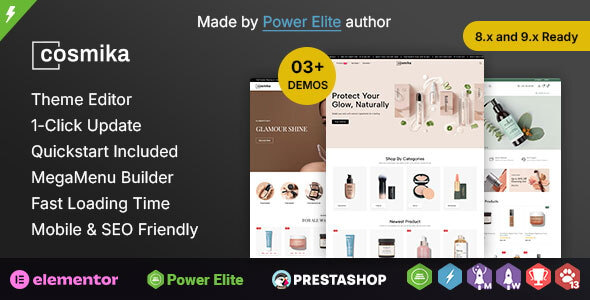
Cosmika - Cosmetics & SkinCare Elementor Prestashop Responsive Theme Cosmika is a beautifully designed and feature-rich PrestaShop theme created specifically for cosmetics...
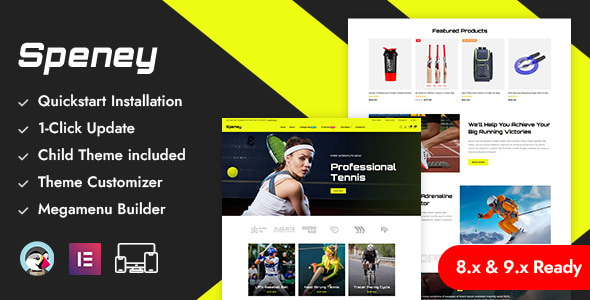
Speney - Sports Store Prestashop Responsive Theme Speney - Sports Store Prestashop Responsive Theme is a dynamic and professionally designed PrestaShop Responsive...
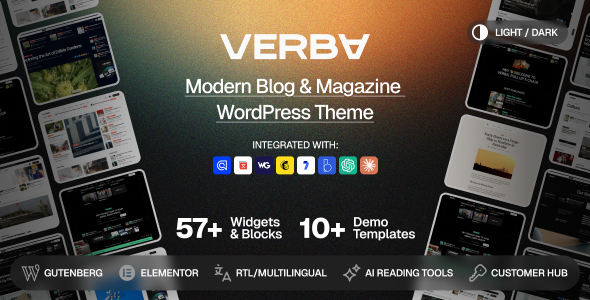
Verba – Modern Blog & Magazine WordPress Theme Verba – Modern Blog & Magazine WordPress Theme is a modern, elegant, and versatile...
Foodis – Restaurant & Fast Food WordPress Theme Foodis – Restaurant & Fast Food WordPress Theme is a modern, stylish, and versatile...
