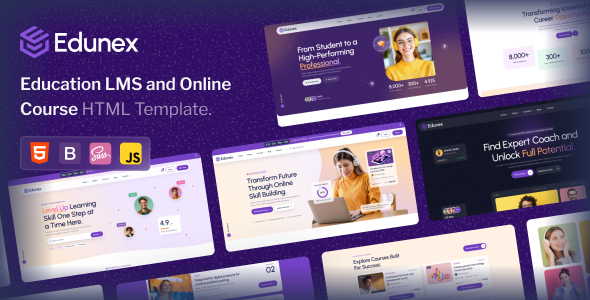
Edunex – Education LMS & Online Course HTML Template is a modern website design solution created for online learning platforms, educational institutions, eLearning businesses, professional training providers, tutors, and digital course creators. Designed for HTML-based web development, Edunex provides a customizable foundation for building an engaging educational website where visitors can explore courses, discover learning opportunities, learn about instructors, and access important information about educational programs.
As online education continues to expand, a well-organized website can help educators and training businesses present their offerings to students across different locations. A professional learning platform needs to communicate course information clearly, organize educational resources, and guide prospective learners toward enrollment or further inquiries. Edunex offers a starting point for presenting these elements through a structured and education-focused website design.
Whether you are launching an online academy, creating a website for a coaching institute, promoting professional development courses, or developing a front-end interface for a learning management system, Edunex can help streamline the initial website design process while allowing room for customization.
Edunex is intended for educational businesses and organizations that want to present courses and learning resources through a dedicated website. An effective education website should make it easy for students to explore available programs, understand course objectives, and identify the next steps toward enrollment.
You can customize the available layouts, colors, typography, imagery, and written content to match your educational brand. For example, a professional training company may emphasize career development and certification programs, while an academic institution may prioritize departments, faculty information, and structured educational pathways.
A clear visual hierarchy can help visitors distinguish between course categories, featured programs, instructor information, and enrollment options. Appropriate educational imagery and concise descriptions can also make the website more engaging for prospective learners.
The exact page layouts and design elements available depend on the files included in the Edunex template package.
Edunex is an HTML website template intended for developers and businesses that prefer direct control over their website’s structure and presentation. Unlike a WordPress theme or an Elementor Template Kit, an HTML template generally provides source files that can be edited directly.
HTML defines the structure of website content, CSS manages visual styling, and JavaScript can support interactive front-end components. Depending on the supplied package, Edunex may include supporting stylesheets, scripts, images, icons, and other assets used to create the interface.
Developers can modify page content, update course descriptions, replace images, customize navigation links, and adjust supported components according to project requirements. This makes the template suitable for custom educational websites and front-end projects that need a flexible starting point.
However, an HTML template does not automatically provide a complete learning management system. Features such as student registration, course enrollment, lesson tracking, video access control, assessments, certificates, and instructor dashboards generally require backend development or integration with a suitable LMS platform unless explicitly included in the package.
A central component of an educational website is its course catalog. Students need an organized way to discover programs that match their interests, experience levels, and learning objectives.
Edunex can be customized to present different types of educational offerings, including:
These are examples of possible course categories rather than a guarantee that the template includes dedicated pages for every subject. The final catalog should reflect the programs your organization actually offers.
Students often compare several courses before deciding which program to pursue. Providing clear course information can help them evaluate the content, difficulty level, time commitment, and suitability of each option.
Edunex can serve as a starting point for presenting course listings and individual course details, depending on the included layouts. You can customize suitable sections with information such as:
Accurate descriptions help students understand what they can expect before enrolling. If a course provides a certificate, explain the eligibility requirements and completion conditions rather than implying that every learner automatically receives one.
A static HTML page will not dynamically manage a course catalog by itself. Live course data, enrollment status, and automated updates require a backend application or a connected learning platform.
Instructor information can help prospective students evaluate the quality and relevance of an educational program. A dedicated profile can introduce the people responsible for developing or delivering the courses.
Edunex can be adapted to present instructor names, professional biographies, areas of expertise, qualifications, teaching experience, and profile photographs where supported by the available layouts.
For educational organizations with multiple instructors, consistent profile formatting can help visitors explore the teaching team and discover courses associated with individual educators.
You can also introduce the institution’s mission, educational approach, teaching methodology, and commitment to learner development. Accurate qualifications and relevant experience can strengthen credibility while helping students understand the background of their instructors.
Only publish verifiable professional details and obtain permission before using personal photographs or biographical information.
A learning management system typically provides the functionality required to organize courses, manage students, deliver lessons, and track educational progress. Edunex can serve as a visual starting point for an LMS-related website or front-end project, depending on the supplied templates.
Potential interface areas for a more complete learning platform may include:
These items describe possible extensions rather than guaranteed built-in features. A functional LMS needs application logic, persistent data storage, authentication, and suitable authorization controls.
If you plan to create a full online learning platform, consider integrating Edunex with a compatible LMS backend or developing the required server-side functionality. This approach can help separate the visual presentation from the systems responsible for managing students and learning activities.
An efficient enrollment process can make it easier for students to move from browsing courses to becoming registered learners. Educational websites should clearly explain how students can sign up, ask questions, or begin a program.
Edunex can be customized with calls to action, course inquiry sections, registration links, and contact forms where supported by the included layouts.
Depending on your business model, the website may guide visitors toward free registration, paid enrollment, application forms, or scheduled training sessions. Make the required steps clear and provide relevant information about prerequisites, enrollment deadlines, and access conditions.
A functional registration workflow requires appropriate form handling and, for a complete student account system, backend authentication and data storage. Email confirmations, enrollment approval, student record management, and automated notifications may require additional integrations.
If you sell paid courses, use an appropriate payment service or learning platform to process transactions securely. These capabilities should not be assumed to be included in a basic HTML template.
Online education businesses often combine free learning resources with paid programs. A website can help communicate these different offerings and explain what learners receive from each option.
Edunex can be customized to present introductory lessons, free educational resources, premium courses, workshops, or structured training packages, depending on your business model.
For paid courses, you can display accurate pricing information and explain the course duration, included learning materials, access conditions, and any additional services. If you offer subscriptions, explain the billing period, renewal conditions, cancellation policy, and available course access.
For free courses, clarify whether registration is required and whether any optional paid services are available.
The template provides the visual foundation for communicating these options. Subscription billing, payment processing, course access restrictions, and automated enrollment require a suitable backend or third-party platform.
Useful educational content can help learners understand a subject before enrolling in a full course. It can also support an institution’s broader content marketing and search engine optimization strategy.
Edunex can be adapted to present articles, learning guides, announcements, tutorials, and other educational resources through suitable page layouts. You can publish content related to course subjects, learning strategies, professional skills, examination preparation, or industry developments.
For example, a web development academy might publish beginner tutorials, while a business training provider could share articles about leadership and productivity.
Organize resources with meaningful titles, clear headings, and appropriate categories. Ensure that educational materials are accurate, current, and suitable for the intended audience.
A static HTML template does not automatically include a blog administration system. Regular content publishing may require manually created pages or integration with a content management system.
Students may access educational websites from desktop computers, tablets, and smartphones. A responsive interface helps ensure that course information remains accessible across different screen sizes.
Edunex can provide a starting point for a multi-device website, subject to the responsive behavior of the supplied files and your final implementation.
During development, test course cards, instructor profiles, navigation menus, registration forms, pricing sections, and educational content on different devices. Ensure that text remains readable, images scale correctly, and important actions are easy to access on smaller screens.
If you later integrate video lessons, quizzes, or interactive course interfaces, test these components separately to confirm that they work correctly on mobile devices.
Responsive behavior should be verified after customization, particularly if you change the original layout or add new front-end components.
Every educational organization has its own audience, teaching style, and business goals. A professional certification provider may need a different website presentation from a school tutoring service or a creative skills academy.
Edunex can be customized through source-code editing to reflect your preferred visual identity. Depending on the included files, common customization opportunities include:
Since HTML templates are generally edited directly, more substantial design changes may require knowledge of HTML, CSS, and JavaScript. The extent of customization depends on the package and its underlying structure.
Search engine optimization can help students discover relevant courses, training programs, and learning resources. A clear website structure makes it easier for visitors to understand the available offerings and navigate between related topics.
With Edunex, you can customize page titles, headings, descriptions, internal links, and image alternative text. Dedicated pages for individual courses can provide detailed information about learning objectives, prerequisites, instructor expertise, and course content.
Recommended practices include using descriptive URLs, writing original course descriptions, optimizing images, and organizing related programs into logical categories. You can also publish helpful educational articles that answer common questions from prospective learners.
Technical SEO tasks may include configuring canonical URLs, XML sitemaps, structured data, and indexing settings. The exact implementation depends on the site’s structure and supporting tools.
The template itself does not guarantee search rankings, course enrollments, or increased revenue. Results depend on content quality, competition, technical implementation, website performance, and ongoing marketing activities.
An educational website should provide a reliable browsing experience and protect student information where personal data is collected. When implementing Edunex, optimize images, remove unnecessary assets, review third-party dependencies, and configure appropriate caching and compression.
Use HTTPS for the deployed website and keep relevant libraries updated. If you introduce student registration, course payments, or learner dashboards, use suitable authentication and access-control mechanisms.
Student records, assessment results, and account details should be processed through secure application components rather than exposed in publicly accessible front-end files. Follow appropriate privacy and data protection practices when collecting student information.
Website performance and security depend on the hosting environment, application architecture, dependencies, and maintenance practices used in the completed project.
Edunex may be suitable for a wide range of educational businesses and professionals, including:
Its education-focused purpose makes it a useful starting point for businesses that want to present courses and educational programs through a dedicated website.
Before implementing Edunex, review the product documentation for the included HTML files, supporting assets, JavaScript dependencies, supported browsers, and recommended hosting environment.
A typical setup involves extracting the package, identifying the main HTML pages, reviewing the asset directories, testing the website locally, and deploying the customized files to a suitable web server.
After deployment, verify all course links, navigation menus, images, responsive layouts, and interactive components. If you connect the website to an LMS, payment gateway, student registration system, or video hosting service, test each integration independently before launching.
A basic HTML template should be treated as a design resource unless the documentation explicitly confirms that additional backend or LMS functionality is included.
Edunex – Education LMS & Online Course HTML Template provides a practical foundation for creating a professional educational website for online academies, training institutes, course creators, and eLearning businesses. Its HTML-based structure gives developers flexibility to customize the presentation, organize course listings, introduce instructors, communicate learning opportunities, and create a consistent educational brand experience.
Whether you are launching an online course platform, promoting professional training programs, developing a website for a coaching institute, or building the front end of a larger learning management system, Edunex can help simplify the initial design process. With informative course descriptions, clear enrollment guidance, responsive layouts, thoughtful SEO, and appropriate LMS integration, Edunex – Education LMS & Online Course HTML Template can support a professional online learning presence tailored to your educational goals.
1. All digital products are the most recent version, with no possibility of free updates. After payment, you can request an update to the most recent version for 5 days if a new version is released. We free support within 5 days.
2. If a license is required (Excludes WHMCS license , we provide only method not license), please contact us via email or ticket for assistance with activation. Our license is only valid for activation and does not include support.
3. We provide Mobile, PHP script installation services for $19.90 / ₹1700. Please create a backup after installation as we do not support re-installation. For mobile app source code, we do not offer installation services.
4. If you have any questions, please contact us by email [email protected] or create a ticket on this page
5. Please note that any digital products presented on the website do not contain malicious code, viruses or advertising. You will receive the original files from the developers. We do not sell any products that have been downloaded from other websites.
6. The response time can last up to 6 hours.
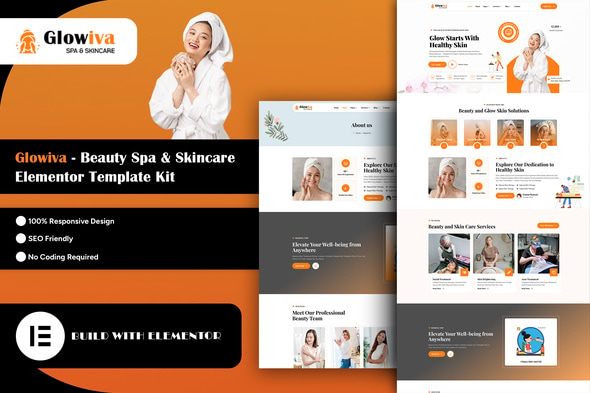
Glowiva – Beauty Spa & Skincare Elementor Template Kit Glowiva – Beauty Spa & Skincare Elementor Template Kit is a modern and...
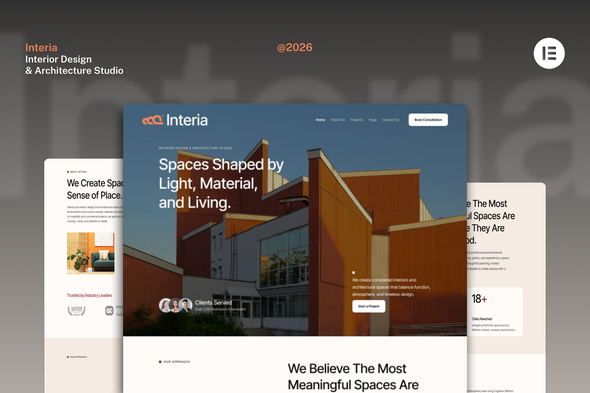
Interia - Interior Design & Architecture Studio Website Elementor Template Kits Interia - Interior Design & Architecture Studio Website Elementor Template Kits...
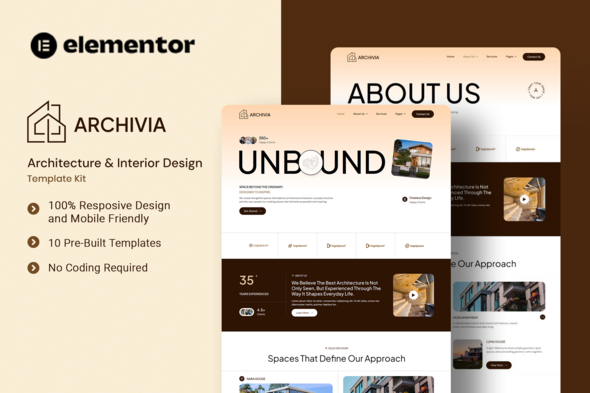
Archivia - Architecture & Interior Design Elementor Template Kit Archivia – Architecture & Interior Design Elementor Template Kit is a modern and...

Intrix - Digital & Creative Agency WordPress Theme Intrix - Digital & Creative Agency WordPress Theme is a premium Digital & Creative...
