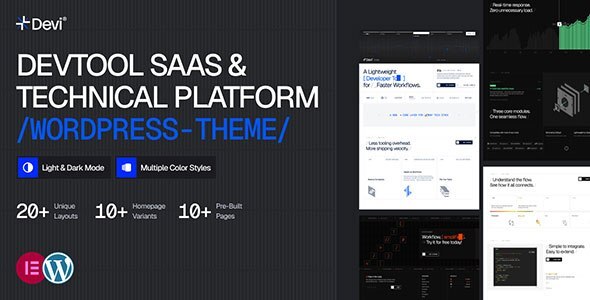
Devi – Developer Tools, SaaS & Technical Platform WordPress Theme is a modern website solution designed for software developers, SaaS companies, technology startups, API providers, and businesses offering digital tools or technical services. Created for technology-focused website projects, Devi provides a starting point for presenting software products, explaining technical solutions, showcasing platform capabilities, and communicating product value to potential customers.
Whether you are launching a new SaaS application, promoting a developer tool, introducing an API service, or building a website for a technology company, Devi can help you establish a professional online presence with WordPress. Its specialized positioning makes it suitable for businesses that need to communicate technical information in a clear, organized, and visually engaging way.
By combining a technology-oriented design direction with WordPress content management, the theme can serve as a foundation for product landing pages, software company websites, developer resource hubs, and technical platform presentations. The exact layouts and built-in functionality should be verified against the official theme documentation before purchase or installation.
Technology websites need to communicate complex ideas without overwhelming visitors. A well-structured website helps potential users understand what a product does, which problems it solves, and why it may be useful for their workflow.
Devi is positioned for modern technology businesses that want to present their products and services through a professional digital experience. Its visual direction can be adapted to suit software platforms, developer-focused products, cloud services, automation tools, and other technology-related businesses.
A typical website built around this theme could include a prominent hero section, product introduction, key benefits, feature highlights, technical explanations, customer testimonials, pricing information, and contact options.
A carefully structured presentation helps visitors move from discovering a product to understanding its value and exploring the next steps. For developer-oriented businesses, it is especially important to balance visual appeal with technical accuracy, readable content, and clear navigation.
Software-as-a-Service businesses need a website that explains their offering and encourages visitors to explore, register, request a demonstration, or begin a trial when those options are available.
Devi can serve as a starting point for creating a SaaS marketing website that introduces a software product, communicates its advantages, and organizes important information into accessible sections.
Potential applications include:
SaaS application landing pages.
Cloud software product websites.
Subscription-based software platforms.
Workflow automation products.
Business productivity applications.
AI-powered software product presentations.
Developer productivity tools.
Technical service and software company websites.
For example, a project management SaaS business could use its website to explain task organization, collaboration, reporting, and workflow management. A developer productivity platform could focus on debugging, deployment, integrations, or development workflows.
The theme provides a website foundation; actual SaaS functionality, such as account registration, subscriptions, user dashboards, and application logic, generally requires a separate software platform or compatible integration unless explicitly included in the product.
Developer-focused products often require more detailed explanations than conventional business services. Visitors may want to understand supported technologies, available integrations, API capabilities, implementation requirements, and technical limitations before choosing a tool.
A website based on Devi can be organized to present this information in a logical sequence. Instead of relying only on promotional headlines, create dedicated sections that explain how the product works and how developers can use it.
Useful content areas may include:
Developer tool introductions.
Technical feature descriptions.
API and integration overviews.
Platform compatibility information.
Code examples and implementation guides.
Documentation links.
Frequently asked technical questions.
Product updates and release announcements.
These are recommended content applications rather than a guarantee that every section or specialized documentation feature is included by default. Depending on the website’s requirements, documentation portals, interactive code examples, and API reference systems may need additional plugins or external services.
WordPress provides a flexible content management foundation for businesses that need to publish product information, technical articles, announcements, and marketing content.
With Devi, you can use the WordPress environment to organize your website around the needs of your software product or technical business. Pages can explain core functionality, introduce the company, present solutions, and guide visitors toward relevant resources.
A well-planned content structure might include:
Home — a concise introduction to the product or platform.
Features — a breakdown of the main capabilities.
Solutions — use cases for different audiences.
Integrations — supported services and connected tools.
Documentation — technical guidance and setup instructions.
Pricing — plans and subscription information, where applicable.
Blog — tutorials, product news, and technical articles.
About — company information and product mission.
Contact — sales inquiries and technical questions.
The final page-building experience depends on the theme’s implementation and its supported editor or plugins. Review the official specifications to confirm the exact editing workflow and included page layouts.
A software website should reflect the identity of its product. A developer utility, enterprise platform, and startup SaaS application may share technical audiences while requiring different visual presentations.
Devi can be adapted to support a brand identity that matches the product’s positioning, subject to the customization controls provided by the theme. Appropriate typography, consistent colors, carefully selected illustrations, and clear visual hierarchy can make a technical website easier to recognize and navigate.
Consider using a consistent design system for headings, buttons, content sections, icons, and product screenshots. This creates a more cohesive experience across the homepage, feature pages, technical resources, and conversion-focused landing pages.
For a developer tool, code snippets and interface screenshots can demonstrate how the product works. For a SaaS platform, product mockups and workflow illustrations can help explain its value. Use authentic visuals and accurate product information to build trust with potential customers.
A dedicated product features section can help visitors understand what differentiates your software from competing solutions.
Instead of presenting a long list of technical specifications without context, explain how each capability benefits the intended user. For example, an integration feature may reduce repetitive work, while a reporting capability may help teams monitor progress or identify problems.
Consider organizing the content into categories such as:
Core Capabilities
Describe the main tasks the product is designed to perform and the problems it addresses.
Workflow Improvements
Explain how the software may simplify existing processes, reduce manual effort, or improve collaboration.
Integrations and Compatibility
List supported platforms, frameworks, services, or development environments only when they have been verified.
Security and Reliability
Explain relevant security practices, access controls, backup procedures, or reliability measures only when they are actually implemented.
Technical Documentation
Provide useful guidance that helps developers evaluate, configure, and use the product.
A clear feature presentation helps visitors assess whether the product meets their needs while reducing confusion during the evaluation process.
Technology professionals may visit a product website from desktops, laptops, tablets, and smartphones. A responsive website helps ensure that product information remains accessible across different screen sizes.
When building a website with Devi, test the final layouts on mobile and desktop devices. Pay particular attention to navigation, code examples, technical tables, feature grids, product screenshots, and calls to action.
Recommended checks include:
Ensuring headings remain readable on smaller displays.
Keeping navigation menus easy to use.
Preventing code blocks from breaking the page layout.
Making buttons and links comfortable to tap.
Optimizing images for different screen sizes.
Checking forms and pricing sections on mobile devices.
Responsive behavior depends on the theme’s implementation and any customizations added to the website. Test the actual installation rather than assuming every third-party component will automatically adapt correctly.
A SaaS marketing website often needs to help users compare plans and decide whether to try a product or contact the sales team.
If suitable layouts are available, or if the required sections are created using supported page-building tools, Devi can be used as a foundation for presenting pricing information and conversion-focused content.
A useful pricing page may explain plan differences, usage limits, included capabilities, billing intervals, and the type of customer each plan is intended for. Calls to action should clearly indicate whether the visitor will start a trial, create an account, purchase a subscription, or request a demonstration.
For products with multiple audiences, separate landing pages can explain relevant benefits to individual customer groups. For example, an API service may need different messaging for individual developers, startups, and enterprise engineering teams.
Actual payments, recurring billing, subscription management, and account access require suitable application functionality or integrations. These capabilities should not be assumed to be included in a WordPress theme unless the official documentation confirms them.
Search engine optimization can help developers and businesses discover a software product through relevant searches. Technical websites often benefit from publishing practical content that addresses specific problems, explains implementation approaches, and answers common questions.
A website built with Devi can be organized around a search strategy that targets relevant product categories, use cases, integrations, and technical topics. The theme itself does not guarantee search engine rankings; results depend on content quality, technical implementation, competition, and ongoing optimization.
Recommended SEO practices include:
Writing descriptive page titles and meta descriptions.
Using a clear heading hierarchy.
Creating dedicated pages for important features and solutions.
Publishing original tutorials and technical guides.
Optimizing screenshots and other media.
Using descriptive URLs and internal links.
Avoiding duplicate or thin content.
Configuring an appropriate SEO plugin when needed.
Monitoring indexing and search performance.
For developer-focused products, documentation and educational content can also help attract users who are researching a technical problem before selecting a solution.
A fast website helps visitors reach important information quickly. Performance is particularly relevant for technical products because their audiences may expect efficient navigation and a polished digital experience.
Website speed depends on several factors, including hosting, theme implementation, images, plugins, caching, scripts, and page complexity. When configuring Devi, optimize images, avoid unnecessary animations, remove unused extensions, and choose hosting suitable for your expected traffic.
You can also evaluate page performance using suitable testing tools and review opportunities to reduce unnecessary requests, improve caching, and optimize critical resources.
Avoid adding multiple plugins that provide overlapping functionality. A smaller, well-maintained plugin stack can make a WordPress website easier to troubleshoot and update.
A professional software website should be maintained regularly to protect its availability and reliability. Keep WordPress, the theme, and compatible plugins updated according to their release and compatibility requirements.
Recommended maintenance practices include:
Using strong administrator passwords and appropriate account permissions.
Installing themes and plugins from trusted sources.
Maintaining regular website backups.
Using HTTPS with a valid SSL certificate.
Removing unused plugins and themes.
Testing updates before applying them to critical production websites.
Monitoring contact forms and important integrations.
Reviewing security settings for any connected services.
If the website includes registration, payment processing, or customer information, implement suitable security and privacy controls for those functions. A theme alone should not be treated as a complete security solution.
Devi – Developer Tools, SaaS & Technical Platform WordPress Theme may be a useful starting point for:
SaaS founders launching a website for a software product.
Software development companies presenting services and solutions.
Developer tool creators explaining technical products and workflows.
API providers introducing integrations and technical capabilities.
Technology startups building a professional company website.
Automation businesses promoting workflow and productivity solutions.
IT consultants presenting specialized technical services.
Web design agencies and freelancers developing technology-focused client websites.
Before choosing the theme, review its official demo, included layouts, supported WordPress and editor versions, plugin requirements, update history, and licensing conditions. This helps confirm that it fits the intended project and avoids assuming that specialized SaaS application features are part of the theme itself.
Devi – Developer Tools, SaaS & Technical Platform WordPress Theme is positioned for businesses that need a modern WordPress website centered on software, developer tools, SaaS products, and technical services. It can provide a foundation for explaining product capabilities, presenting integrations, publishing technical content, and directing visitors toward relevant actions.
With a clear information structure, consistent branding, useful product explanations, responsive design testing, and appropriate SEO and performance practices, you can develop a professional online presence for a technology-focused business.
Whether you are introducing a developer utility, promoting a SaaS platform, or presenting a technical service company, Devi is worth considering as a starting point for your website project. Confirm the theme’s official specifications and compatibility before installation to ensure that its included features match your requirements.
1. All digital products are the most recent version, with no possibility of free updates. After payment, you can request an update to the most recent version for 5 days if a new version is released. We free support within 5 days.
2. If a license is required (Excludes WHMCS license , we provide only method not license), please contact us via email or ticket for assistance with activation. Our license is only valid for activation and does not include support.
3. We provide Mobile, PHP script installation services for $19.90 / ₹1700. Please create a backup after installation as we do not support re-installation. For mobile app source code, we do not offer installation services.
4. If you have any questions, please contact us by email [email protected] or create a ticket on this page
5. Please note that any digital products presented on the website do not contain malicious code, viruses or advertising. You will receive the original files from the developers. We do not sell any products that have been downloaded from other websites.
6. The response time can last up to 6 hours.
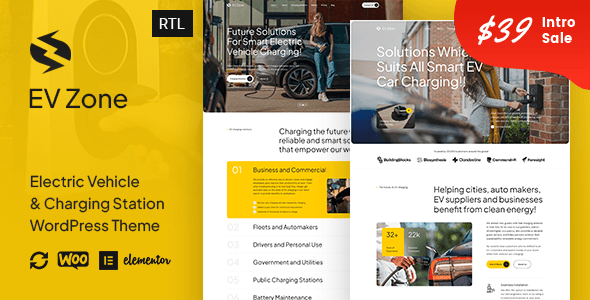
EVZone – Electric Vehicle & EV Charging Station WordPress Theme EVZone – Electric Vehicle & EV Charging Station WordPress Theme is a...
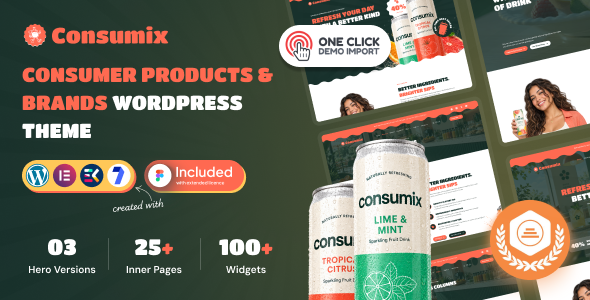
Consumix | Consumer Products & Brands WordPress Theme Consumix is a modern and professionally designed Consumer Products & Brands WordPress Theme created...
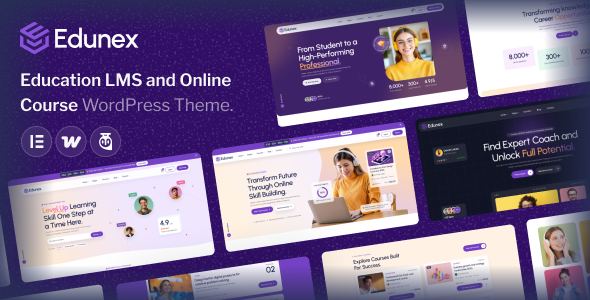
Edunex – Education LMS & Online Course WordPress Theme Edunex is a modern, professional, and versatile Education LMS & Online Course WordPress...

Cosmina – Skincare & Beauty Shop Elementor WooCommerce Theme Cosmina is an elegant, modern, and visually appealing Skincare & Beauty Shop Elementor...
