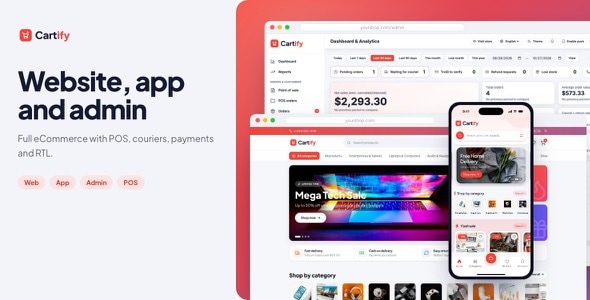
Cartify | eCommerce Flutter App With Laravel Website and Admin Panel is a complete eCommerce development solution designed for entrepreneurs, retailers, startups, and businesses looking to establish an online shopping platform across mobile and web environments. Combining a Flutter-based mobile application, a Laravel-powered website, and an administrative panel, Cartify provides a foundation for building and managing a centralized online store.
In today’s digital marketplace, customers expect convenient shopping experiences across smartphones and desktop devices. Businesses need a reliable platform to display products, manage inventory, process orders, and maintain customer information. Cartify brings these requirements together through a multi-platform eCommerce concept that can be customized for different retail industries.
Whether you want to launch a new online shopping business, expand an existing retail store, or develop a branded eCommerce solution for clients, Cartify offers a foundation for building your digital commerce platform.
Cartify combines three important components of an online shopping ecosystem:
This structure can help businesses manage their online commerce activities through a connected platform rather than maintaining completely separate shopping environments.
The exact synchronization, modules, and available workflows depend on the supplied implementation and configuration.
The Flutter mobile application provides a foundation for delivering a convenient shopping experience on Android and iOS devices.
Flutter is Google’s cross-platform application development framework, allowing developers to build applications using a shared codebase.
A mobile shopping application can help customers browse products, explore categories, review product information, and interact with the store through supported shopping workflows.
Potential mobile application features include:
The actual screens and functionality depend on the modules included in the original project.
The Laravel website provides a browser-based shopping experience for customers who prefer accessing an online store from desktop computers, laptops, tablets, or mobile browsers.
Laravel is a PHP framework used to develop web applications with structured backend functionality.
A Laravel-based storefront can provide a foundation for managing product information, displaying shopping pages, and connecting customer-facing workflows with the administrative system.
Depending on the supplied implementation, the website may support:
Developers should verify the exact backend functionality and available storefront modules before deployment.
A well-organized product catalog is essential for any eCommerce business. Customers need to find products easily and understand the information associated with each item.
Cartify can provide a foundation for managing and presenting product information through its connected commerce environment.
Depending on the included modules, product records may contain:
Organized product information can help businesses maintain a consistent shopping experience across their website and mobile application.
Categories help customers explore an online store and locate relevant products without browsing the entire catalog.
Cartify can be customized to organize products into suitable categories and subcategories according to the business model.
For example, a general eCommerce store may include:
Category structures can be adapted for specialized businesses, including single-category stores and multi-product retail marketplaces.
The shopping cart is an important part of the online purchasing process. It allows customers to review selected products before proceeding to checkout.
Depending on the supplied implementation, Cartify may provide shopping cart workflows through its mobile and web environments.
Potential cart capabilities include:
Cart synchronization between devices or platforms depends on the application’s account system and backend implementation.
A structured checkout process helps customers complete purchases by providing the required order and delivery information.
Depending on the included functionality, Cartify can provide a foundation for implementing checkout workflows that collect customer details, delivery addresses, and payment information.
Potential checkout-related capabilities include:
The actual checkout and payment functionality should be verified in the supplied source code. Payment gateway integration, tax calculations, shipping charges, and regional payment methods may require additional configuration.
Payment processing is an essential component of an online store. Businesses need suitable payment methods to accept customer payments securely.
Cartify can be extended with payment gateway integrations according to the target market and supported backend architecture.
Potential payment integration options include:
The availability of individual payment gateways depends on the included implementation, merchant account eligibility, supported countries, and provider requirements.
Payment processing may involve separate merchant accounts, API credentials, transaction fees, and compliance requirements.
Customers often want to review their previous purchases and understand the current status of their orders.
A customized Cartify implementation can provide order-related information through the customer-facing website and mobile application.
Depending on the available modules, order management may support statuses such as:
Additional tracking features may require integration with shipping providers or logistics APIs.
Order history can also help customers review previous purchases and provide businesses with a structured record of sales activity.
Cartify includes an administrative panel that provides a centralized interface for managing supported eCommerce operations.
An admin panel is particularly important for businesses that need to maintain product catalogs, monitor orders, manage customers, and configure store settings.
Depending on the supplied modules, administrative functionality may include:
The actual admin modules, permission levels, and workflows depend on the delivered implementation.
Inventory management helps businesses maintain visibility into product availability and reduce problems caused by inaccurate stock records.
A customized Cartify platform can support inventory-related workflows depending on the included functionality.
Potential inventory features include:
More advanced inventory capabilities, such as warehouse management, multiple storage locations, purchase orders, and supplier management, may require additional development.
Customer accounts can provide a more personalized shopping experience and help businesses maintain organized customer information.
Depending on the supplied implementation, Cartify may support registration, login, profile management, and customer-related shopping workflows.
Additional features can include:
Secure authentication and proper access controls should be configured before launching the platform.
Promotional campaigns can help eCommerce businesses attract customers and encourage purchases.
Depending on the included modules, Cartify can be extended with discount and coupon management functionality.
Potential promotional features include:
Advanced promotional rules may require additional development or integration with a compatible discount management system.
Delivery management is an important part of the online shopping experience, especially for businesses selling physical products.
A customized Cartify implementation can support shipping-related workflows based on the business’s delivery requirements.
Potential functionality includes:
Advanced logistics functionality may require third-party courier APIs, shipping service accounts, and additional backend configuration.
Customers use different devices to browse and purchase products. A consistent shopping experience across mobile applications and websites can help businesses reach a wider audience.
Cartify combines a Flutter mobile application with a Laravel website, creating opportunities to serve customers through both mobile and browser-based shopping environments.
Developers can customize the interface, branding, product presentation, and shopping workflows according to their target audience.
Cartify can be used as a foundation for several types of eCommerce businesses.
Single-Vendor Online Store: Build an independent online shop for selling products directly to customers.
Retail Business Expansion: Extend an existing physical store with mobile and web shopping channels.
Brand-Owned eCommerce Platform: Create a dedicated online store for a product brand.
Niche Product Store: Develop a specialized store for fashion, electronics, beauty, home products, or other categories.
Client eCommerce Projects: Customize the solution for businesses that need their own online shopping platform.
Additional business models, such as multi-vendor marketplaces, subscriptions, and digital product sales, may require extra development depending on the supplied architecture.
Businesses often want their eCommerce platforms to reflect their own brand identity.
Cartify can be customized across its mobile application, website, and administrative interface.
Potential customization areas include:
Developers can also adapt the product catalog, payment options, delivery workflows, and other supported features to match the business model.
Before deploying Cartify, developers should review the included Flutter source code, Laravel website, admin panel, database structure, and required dependencies.
A typical development workflow may include:
Developers should also configure HTTPS, secure authentication, database permissions, API validation, backups, and appropriate server resources before going live.
Cartify combines a Flutter mobile shopping application, Laravel website, and administrative panel into one eCommerce development solution.
Key highlights include:
Cartify | eCommerce Flutter App With Laravel Website and Admin Panel is a development solution for entrepreneurs, retailers, developers, and businesses looking to establish a connected online shopping platform. By combining a Flutter mobile application, Laravel website, and administrative panel, it provides a foundation for managing products, presenting an online storefront, and developing customer shopping workflows across multiple platforms.
Whether you want to launch a new eCommerce business, digitize an existing retail operation, or create a customized shopping platform for clients, Cartify offers a starting point that can be adapted to your technical and commercial requirements.
Note: Please review the official product documentation before purchasing or deploying. Confirm the included Flutter source code, Laravel version, admin panel modules, database structure, mobile and website synchronization, payment gateway integrations, inventory functionality, shipping support, and any external API or service costs.
1. All digital products are the most recent version, with no possibility of free updates. After payment, you can request an update to the most recent version for 5 days if a new version is released. We free support within 5 days.
2. If a license is required (Excludes WHMCS license , we provide only method not license), please contact us via email or ticket for assistance with activation. Our license is only valid for activation and does not include support.
3. We provide Mobile, PHP script installation services for $19.90 / ₹1700. Please create a backup after installation as we do not support re-installation. For mobile app source code, we do not offer installation services.
4. If you have any questions, please contact us by email [email protected] or create a ticket on this page
5. Please note that any digital products presented on the website do not contain malicious code, viruses or advertising. You will receive the original files from the developers. We do not sell any products that have been downloaded from other websites.
6. The response time can last up to 6 hours.
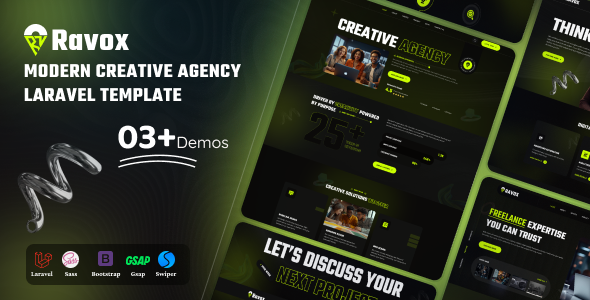
Ravox – Modern Creative Agency Laravel Template Ravox – Modern Creative Agency Laravel Template is a stylish and professional website template designed...
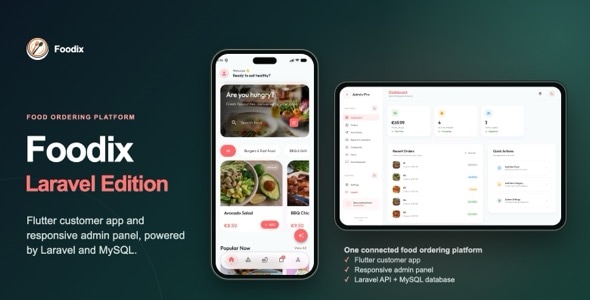
Foodix | Restaurant Ordering with Admin Panel Foodix | Restaurant Ordering with Admin Panel is a restaurant ordering application designed to help...
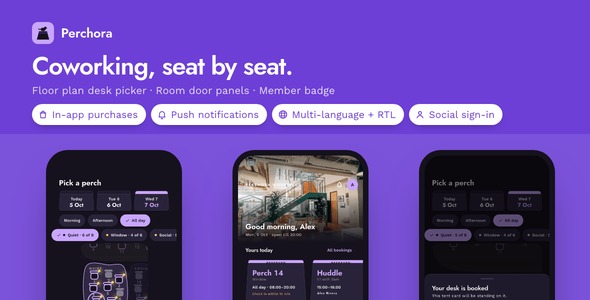
Perchora | Flutter Coworking Space Member App With Laravel Admin Perchora | Flutter Coworking Space Member App With Laravel Admin is a...

Yield | Revenue Analytics PHP Script With Flutter App Yield | Revenue Analytics PHP Script With Flutter App is a revenue analytics...
