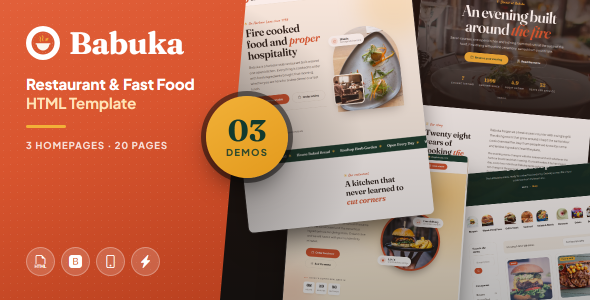
Babuka – Restaurant & Fast Food HTML Template is a website template designed for restaurants, fast-food outlets, cafes, takeaway businesses, food delivery brands, and other food service establishments looking to build a professional online presence. With a restaurant-focused design concept and an HTML-based frontend structure, Babuka provides a starting point for showcasing food menus, presenting signature dishes, introducing restaurant services, and sharing essential business information with potential customers.
Whether you operate a local restaurant, a burger shop, a pizza outlet, a fast-food franchise, or a casual dining establishment, Babuka can help you create a dedicated website that reflects your brand and communicates your offerings. Its template-based approach allows developers to customize the layout, colors, typography, images, and content according to the restaurant’s identity and target audience.
A well-designed restaurant website can help customers discover menu options, learn about the dining experience, check opening hours, and find contact information before visiting or placing an order. Babuka offers a frontend foundation for presenting this information in an organized and visually appealing way.
The exact page layouts, interactive elements, included assets, and technical requirements should be verified in the original product package before purchase.
Babuka – Restaurant & Fast Food HTML Template is intended for businesses that want to establish a digital presence in the restaurant and food service industry.
For restaurants and fast-food businesses, an effective website helps communicate important information while creating a positive first impression. Customers often want to explore the menu, understand the available food options, view product photographs, and learn how to visit or contact the establishment.
Babuka can serve as a starting point for organizing these details into a dedicated website. A burger restaurant might focus on signature burgers, meal combinations, and takeaway information, while a family restaurant could emphasize its menu variety, dining atmosphere, and special occasions.
The HTML-based structure gives developers direct access to the frontend code, making it possible to adapt the design and content to different business requirements.
Additionally, a restaurant website can provide a central destination for customers who discover the business through search engines, social media, advertisements, or local directories.
Food businesses depend heavily on presentation. Attractive food photography, clear menu descriptions, and a consistent visual identity can help visitors understand the restaurant’s offerings and develop an interest in its products.
Babuka provides a starting point for creating a food-focused website that can be customized to reflect the character of different dining businesses.
For example, a fast-food outlet may prefer bold colors, prominent product images, and concise promotional messages. A casual dining restaurant might choose a more refined visual style with spacious layouts and detailed menu descriptions.
Developers can adapt supported colors, typography, imagery, and content sections to create a consistent brand experience.
Well-organized layouts can also help customers find important information without navigating through unnecessary content. Menu categories, featured dishes, restaurant information, and contact details should be presented in a logical order based on customer needs.
The final design depends on the original template implementation and the customizations made during development.
Babuka is identified as an HTML website template, making it suitable for developers who want direct control over the website’s frontend structure.
HTML provides the structure for website content, CSS controls the visual appearance, and JavaScript can support interactive features where implemented. This development approach allows the website to be customized without requiring a particular content management system simply to edit the frontend.
Depending on the included files, developers can modify page layouts, navigation menus, menu presentation, images, typography, and other interface elements.
A restaurant owner working with a developer could replace demonstration content with the actual food menu, add restaurant branding, update business information, and adjust the website to match the establishment’s visual identity.
The template can also serve as a foundation for additional frontend development. However, dynamic menu management, online ordering, customer accounts, and other backend features require suitable functionality unless explicitly included in the original package.
A clear and attractive menu is one of the most important components of a restaurant website. It helps customers explore the available dishes, compare options, and identify meals that suit their preferences.
Babuka can be adapted to present different menu categories using the layouts and components supplied with the template.
Potential menu categories include:
These are examples of possible menu categories rather than a guarantee that every category or dedicated menu layout is included.
Each menu item can be presented with an appropriate name, description, photograph, and price where supported by the design. Restaurants may also include relevant dietary information and ingredient details to help customers make informed choices.
For example, a burger restaurant can highlight signature burgers and meal combinations, while a cafe may prioritize sandwiches, beverages, and desserts.
Keeping menu information accurate and easy to scan can improve the overall browsing experience and reduce confusion for potential customers.
The homepage is often the first page visitors encounter when discovering a restaurant online. It should quickly communicate the restaurant’s identity and guide customers toward the most relevant information.
Babuka can provide a starting point for developing a homepage that introduces the business and highlights its main offerings.
Depending on the supplied layouts, the homepage may be adapted to present:
Restaurant Introduction: Communicate the brand’s identity, dining concept, and main selling points.
Featured Dishes: Showcase selected menu items using appropriate food imagery and concise descriptions.
Menu Highlights: Introduce popular categories and help visitors explore the available food options.
Promotional Content: Present seasonal offers, meal combinations, or special announcements where relevant.
Restaurant Information: Display opening hours, location details, and contact information.
Calls to Action: Direct visitors toward available actions, such as viewing the menu, contacting the restaurant, or accessing an implemented ordering service.
These are common website content recommendations, not a verified list of components included in Babuka. The exact homepage sections should be confirmed in the original package.
Restaurant customers frequently use smartphones to search for nearby dining options, check menus, and find directions. A responsive website can help make these activities more convenient across different screen sizes.
Babuka’s responsive behavior should be evaluated using the supplied code. Developers should check how navigation, menu items, food images, text, and interactive elements adapt to mobile phones, tablets, and desktop computers.
For food businesses, mobile usability is especially important because customers may browse a menu while travelling, waiting for food, or deciding where to eat.
A well-adapted layout should maintain readable text, preserve image proportions, provide comfortable spacing, and make important links and buttons easy to access.
Developers should also test menu layouts on smaller screens to ensure that prices and descriptions remain clear and that visitors can navigate between categories without difficulty.
Responsive performance depends on the supplied implementation and any customizations introduced during development.
Every restaurant has its own identity, cuisine, atmosphere, and target audience. Babuka can be customized to reflect these differences through changes to supported design elements and website content.
Potential customization options include:
Brand Colors: Adjust the color palette to match the restaurant’s logo, signage, and visual identity.
Typography: Customize headings, menu text, descriptions, and navigation styles to establish a consistent appearance.
Food Photography: Replace demonstration images with original photographs of signature dishes, drinks, meal combinations, and the restaurant interior.
Menu Content: Add accurate food names, descriptions, prices, and relevant dietary information.
Restaurant Details: Update opening hours, location information, contact details, and business descriptions.
Promotional Sections: Adapt supported areas to highlight special menus, seasonal products, or restaurant announcements.
Layout Adjustments: Modify existing sections and introduce new frontend components where the supplied code permits.
For example, a pizza outlet may prefer a bold and energetic visual identity, while a premium restaurant might choose a more understated design.
These customizations can help create a recognizable website that reflects the restaurant’s real-world brand.
Many restaurants want customers to browse menus online and place orders for takeaway or delivery. Babuka can be evaluated as a frontend starting point for an ordering-oriented website, depending on the included layouts and the additional functionality required.
A customized website could present food categories, product details, prices, and information about available ordering methods.
However, an HTML template does not automatically provide a complete online ordering system. A menu displayed on a website is not necessarily connected to inventory, order processing, delivery management, or payment services.
Functional online ordering may require additional development or integration with a suitable restaurant ordering platform.
Depending on the business requirements, additional functionality could include:
These are potential extensions, not verified features of the original template.
Before purchasing Babuka, confirm whether the package includes any working ordering functionality or primarily provides the frontend design. If ordering is essential, plan for the additional technical requirements and test the complete customer journey before launch.
A restaurant website may need several pages to communicate its offerings and help customers find relevant information.
Depending on the included layouts and custom development, Babuka can provide a foundation for pages such as the following.
Homepage: Introduce the restaurant and highlight its main food offerings.
Menu Page: Organize dishes into categories with suitable descriptions and prices.
About Us: Share the restaurant’s background, concept, and approach to food service.
Food or Product Details: Present selected dishes in greater detail where supported by the template.
Special Offers: Highlight promotional menus, meal combinations, and seasonal offers.
Gallery: Showcase food photography, restaurant interiors, or dining experiences where an appropriate layout is available.
Contact Page: Provide business contact details, location information, and opening hours.
Reservation Information: Explain how customers can inquire about tables or bookings, if relevant to the restaurant.
Delivery Information: Describe delivery areas, pickup arrangements, and ordering instructions where applicable.
The actual pages included in Babuka should be verified in the product documentation. Additional pages can be created when required.
Restaurants may want to connect their websites with external services to improve customer communication and day-to-day operations.
Babuka can be evaluated as a starting point for suitable integrations, subject to the structure of the supplied code and the compatibility of the selected services.
Potential additions include contact forms, map embeds, social media links, analytics, newsletter subscriptions, and external ordering platforms.
For example, a restaurant may want to display a map showing its location or link visitors to an established food delivery service.
Table reservations, customer reviews, online payments, and order notifications require additional implementation or third-party services unless explicitly included in the original package.
If a contact form is added, developers should configure appropriate validation and reliable message delivery. If an ordering system is introduced, the implementation should be tested for usability, security, and accuracy.
Before installing additional libraries or connecting external services, review their dependencies, compatibility requirements, and licensing terms.
Search engine optimization can help restaurants become easier to discover when potential customers search for particular cuisines, dining options, or food services.
Babuka provides a frontend foundation that can be customized to support practical on-page SEO practices.
Developers should create descriptive page titles, relevant meta descriptions, clear headings, useful internal links, and accurate restaurant information.
For example, a local fast-food business could create informative content about its menu, location, dining options, and available takeaway services. Content should reflect the restaurant’s actual offerings rather than making unsupported claims.
Image optimization is also important because restaurant websites often rely on large food photographs. Compressing images, choosing suitable dimensions, and using descriptive alternative text can improve accessibility and help manage page loading times.
Developers should also minimize unnecessary scripts, maintain a logical page structure, and test loading behavior on mobile devices.
Where supported by the hosting environment, caching and compression can further contribute to an efficient website.
A template alone cannot guarantee search rankings, high conversion rates, or specific performance scores. Results depend on implementation quality, content relevance, hosting, competition, and other factors.
Babuka – Restaurant & Fast Food HTML Template can be adapted for a variety of businesses in the food service industry.
Fast-Food Restaurants: Showcase burgers, fries, sandwiches, meal combinations, and other quick-service offerings.
Burger Shops: Highlight signature burgers, sides, beverages, and special menus.
Pizza Restaurants: Present pizza varieties, complementary dishes, and restaurant information.
Casual Dining Restaurants: Introduce the dining concept, menu categories, and customer services.
Takeaway Businesses: Provide online menu information and direct customers toward the available ordering process.
Food Delivery Brands: Establish a frontend foundation for a food-focused website that can be extended with suitable ordering functionality.
Cafes and Snack Bars: Adapt the layout to showcase beverages, light meals, snacks, and desserts.
Restaurant Chains: Develop a branded website concept that can be customized for a particular outlet or business.
Food Business Startups: Establish a dedicated online presence for a new restaurant or fast-food concept.
Web Design Agencies: Customize the template for suitable restaurant client projects, subject to the applicable license terms.
The suitability of Babuka for a specific business depends on the available layouts, required functionality, and amount of customization needed.
Babuka is intended for developers, designers, and food business owners looking for a starting point for a restaurant or fast-food website.
Restaurant owners can work with a developer to present their menus and business information online. Freelancers can use the template as a foundation for client projects, while web design agencies can evaluate it for suitable restaurant and food service assignments.
Users familiar with HTML and CSS can customize content and visual styling. JavaScript knowledge can help when modifying interactive frontend components, while backend development experience may be needed for dynamic menus, online orders, payment processing, or other advanced features.
Beginners can also benefit from a template-based workflow, although hosting configuration and advanced integrations may require technical assistance.
Before choosing Babuka, determine whether you need a simple restaurant website, an online menu, or a complete ordering platform. This will help you understand whether the template alone is sufficient or additional development is necessary.
The installation process depends on the files included in the Babuka package and the intended hosting environment. A typical setup workflow may involve the following steps.
Step 1: Extract the Downloaded Package
Extract the supplied archive and examine the directory structure. Identify the HTML files, CSS stylesheets, JavaScript assets, images, fonts, and documentation.
Step 2: Review the Documentation
Check the included page layouts, framework dependencies, setup instructions, and technical requirements.
Step 3: Replace Demonstration Content
Add the restaurant’s logo, menu items, food photography, descriptions, business details, and contact information.
Step 4: Customize the Appearance
Adjust supported colors, typography, spacing, images, and page sections to reflect the restaurant’s branding.
Step 5: Configure Interactive Elements
Test navigation menus, buttons, links, scripts, and any supplied forms. Configure additional services where required.
Step 6: Add Required Integrations
If the project needs reservations, online ordering, payment processing, or external delivery services, implement and configure the appropriate solutions.
Step 7: Test Responsiveness
Review the website on mobile phones, tablets, and desktop computers. Check menu readability, image scaling, navigation, and interactive elements.
Step 8: Deploy the Website
Upload the completed files to suitable hosting, configure the domain and HTTPS, and perform final checks before launching the website.
These steps provide a general setup workflow. Follow the original product documentation for package-specific instructions.
Before purchasing Babuka – Restaurant & Fast Food HTML Template, review the original product listing and documentation to confirm exactly what is included.
Verify the available HTML pages, CSS framework, JavaScript dependencies, image assets, and any installation requirements.
Pay particular attention to whether menu filters, contact forms, reservation interfaces, and other interactive components are functional or simply frontend elements.
An HTML template does not necessarily include a working shopping cart, online ordering system, reservation engine, database, or payment gateway. Additional development or third-party integrations may be required for these capabilities.
Also review the licensing terms for commercial use, client projects, and any third-party images, fonts, icons, or libraries supplied with the package.
Understanding these details before purchase can help you determine whether Babuka matches your restaurant’s technical and business requirements.
Babuka – Restaurant & Fast Food HTML Template provides a customizable starting point for building a professional website for restaurants, fast-food outlets, burger shops, takeaway businesses, cafes, and food service brands. Its restaurant-focused purpose makes it suitable for presenting menus, showcasing signature dishes, introducing the business, and communicating important information to potential customers.
With appropriate branding, high-quality food photography, organized menu content, responsive testing, and thoughtful SEO implementation, Babuka can be adapted to suit a wide range of restaurant website projects. Businesses that require online ordering, reservations, payment processing, or other advanced functionality should verify whether those capabilities are included or plan for additional development.
Whether you are launching a new fast-food business, creating a website for an established restaurant, or developing a food service website for a client, Babuka – Restaurant & Fast Food HTML Template can serve as a useful foundation for your next web development project. Review the supplied files, documentation, and licensing terms to ensure that the template meets your project requirements.
1. All digital products are the most recent version, with no possibility of free updates. After payment, you can request an update to the most recent version for 5 days if a new version is released. We free support within 5 days.
2. If a license is required (Excludes WHMCS license , we provide only method not license), please contact us via email or ticket for assistance with activation. Our license is only valid for activation and does not include support.
3. We provide Mobile, PHP script installation services for $19.90 / ₹1700. Please create a backup after installation as we do not support re-installation. For mobile app source code, we do not offer installation services.
4. If you have any questions, please contact us by email [email protected] or create a ticket on this page
5. Please note that any digital products presented on the website do not contain malicious code, viruses or advertising. You will receive the original files from the developers. We do not sell any products that have been downloaded from other websites.
6. The response time can last up to 6 hours.
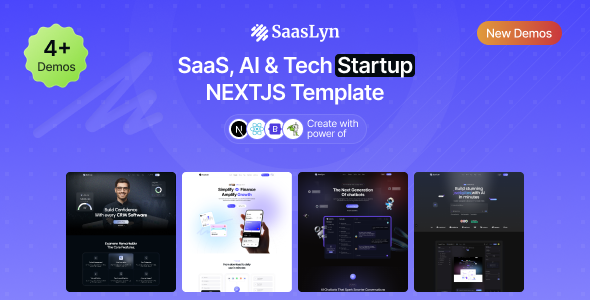
SaasLyn – SaaS, AI & Tech Startup NextJS Template SaasLyn is a modern, professional, and conversion-focused SaaS, AI & Tech Startup NextJS...
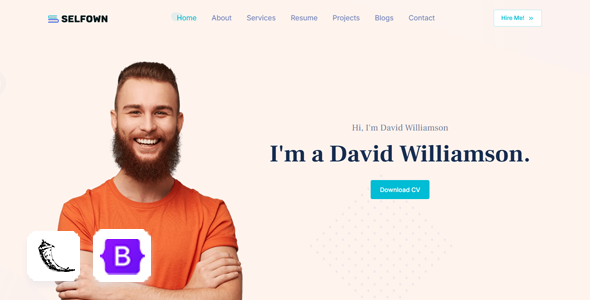
Selfown – Flask Personal Portfolio Template Selfown is a modern, elegant, and professional Flask Personal Portfolio Template designed for developers, designers, freelancers,...
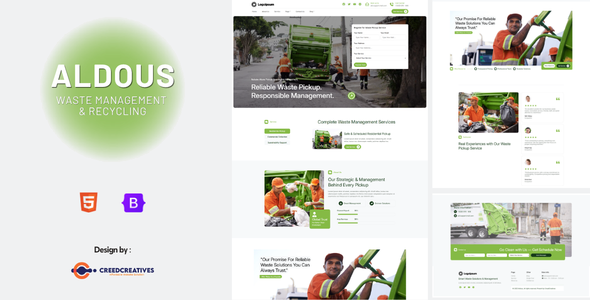
Aldous – Waste Pickup & Management HTML Bootstrap Template Aldous is a modern, professional, and environmentally focused Waste Pickup & Management HTML...
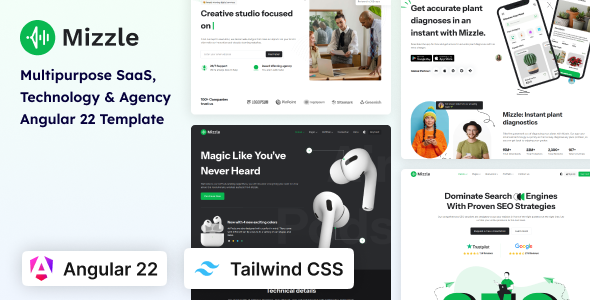
Mizzle - Technology & Corporate Angular Tailwind CSS Template Mizzle is a modern and feature-rich Angular Tailwind CSS template designed for technology...
