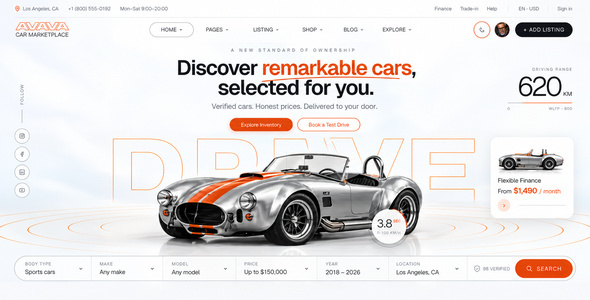
AVAVA Motors – Car Dealer & Automotive Marketplace HTML Template is a modern and versatile website template designed for car dealerships, automotive businesses, vehicle listing platforms, used car dealers, and automotive marketplaces. Created for the automotive industry, AVAVA Motors provides a frontend foundation for presenting vehicle inventories, showcasing cars, displaying dealership information, and helping potential buyers explore available automotive options. Its specialized focus makes it a suitable starting point for businesses that want to establish a professional online presence and create an engaging digital experience for customers interested in purchasing or selling vehicles.
In today’s automotive market, customers increasingly research vehicles online before visiting a dealership or contacting a seller. They compare vehicle models, explore specifications, review photographs, and look for relevant pricing and dealership information. A well-organized automotive website can help businesses present these details clearly and make the vehicle discovery process more convenient. AVAVA Motors offers a customizable HTML website foundation for creating this type of digital showroom.
Whether you operate a new car dealership, a used vehicle business, an automotive showroom, or a multi-vendor vehicle marketplace, AVAVA Motors can be adapted to suit different automotive website requirements. Its HTML-based structure allows developers to customize page layouts, styling, vehicle content, and visual branding using familiar frontend technologies. With suitable additional development, the website can also be extended to support dynamic inventory management, advanced vehicle search, customer inquiries, and other automotive business workflows.
AVAVA Motors is an automotive-focused HTML template intended for businesses that want to present vehicle information through a structured and visually appealing website. Unlike a general corporate template, an automotive website needs to accommodate vehicle photographs, specifications, pricing information, dealership details, and other information that influences purchasing decisions.
The template provides a starting point for developing a car dealership website or automotive listing platform. Depending on the layouts included in the original package, developers can customize homepage sections, vehicle listing pages, individual vehicle detail layouts, promotional content, and dealership information.
HTML provides the structural foundation for website content, CSS controls its appearance, and JavaScript can support client-side interactions where implemented. This combination gives developers flexibility when adapting the interface to the requirements of a specific dealership or automotive business.
The exact number of pages, vehicle listing components, filtering interfaces, and additional assets should be verified in the original product package and documentation.
A professional automotive website should make vehicles easy to explore while maintaining a consistent brand identity. High-quality photographs, clear specifications, readable pricing information, and logical navigation can help visitors compare available options and understand a dealership’s offerings.
AVAVA Motors is positioned for car dealers and automotive marketplaces, making it a useful starting point for creating a vehicle-focused online experience. Developers can adapt the supplied layouts to emphasize featured vehicles, available inventory, dealership services, and relevant business information.
For example, a premium car dealership may prioritize large vehicle images and detailed model descriptions. A used car business may emphasize mileage, model year, condition, and pricing, while a multi-brand showroom may need a more varied vehicle presentation.
A carefully customized layout can help visitors move from general browsing to individual vehicle details. The final visual experience depends on the included components, the quality of the vehicle photography, and the changes made during development.
AVAVA Motors provides a frontend foundation for building automotive websites and vehicle listing interfaces. Its primary value lies in offering an automotive-oriented starting point that developers can customize according to business needs.
Key development possibilities include:
These points describe common development possibilities for an automotive HTML template. Specific ready-made components and working functionality should be confirmed in the original product documentation.
Vehicle inventory is one of the most important elements of a car dealership website. Customers typically want to browse available models and quickly identify vehicles that match their budget, preferences, and intended use.
AVAVA Motors can be adapted to present vehicle listings using the layouts available in the original package. Developers can organize relevant details such as vehicle make, model, year, price, mileage, fuel type, transmission, and other specifications where appropriate.
For example, a used car dealership could prioritize vehicle condition, ownership information where verified, and mileage. A new car showroom might focus on model variants, available colors, and manufacturer specifications.
Consistent listing layouts can help visitors compare vehicles more easily. High-quality images and concise descriptions can also improve the browsing experience.
However, a static listing design does not automatically provide live inventory management. Automatically updating vehicle records, synchronizing stock availability, and managing listings through an administrator panel require suitable backend functionality or third-party integrations unless explicitly included.
A detailed vehicle page allows potential buyers to evaluate a particular car before contacting a seller or visiting a showroom. It can bring important information together in one place, reducing the need to search across multiple pages.
AVAVA Motors can serve as a foundation for customizing individual vehicle pages according to the components included in the original package. Developers can organize available content areas around vehicle images, specifications, pricing, descriptions, and dealership contact information.
Depending on the business model, additional information might include service history, warranty details, inspection results, financing information, or available accessories. Such details should be accurate and supported by the seller’s records.
A vehicle inquiry form or contact action can help visitors express interest in a particular model. However, functional form submission and inquiry management may require additional backend development if these services are not already implemented.
Visitors often need to narrow a large inventory to find cars that meet their specific requirements. Search and filtering interfaces can help customers explore relevant vehicles more efficiently.
AVAVA Motors can be customized to support vehicle discovery interfaces, depending on the components provided in the original package. Potential filtering criteria include vehicle make, model, price range, model year, mileage, body style, fuel type, and transmission.
For example, a customer looking for a family vehicle may want to narrow the inventory by body style and budget. Another buyer may focus on a specific manufacturer or fuel type.
A visual search form alone does not guarantee that filtering works with actual vehicle data. Functional filtering, sorting, pagination, and database-driven search typically require JavaScript application logic, backend processing, or an external inventory service unless explicitly included.
Developers should verify the existing implementation before planning additional functionality.
Every dealership has a distinct brand identity, target audience, and inventory strategy. A customizable template helps businesses create a website that reflects these differences.
AVAVA Motors can be adapted by changing the supplied color palette, typography, logos, vehicle images, content sections, and navigation elements. Developers can also modify the presentation to suit different vehicle categories or business models.
For example, a luxury dealership might use restrained colors and large, high-resolution vehicle photographs. A budget used-car business may prefer a practical layout that makes prices and essential specifications immediately visible. An electric vehicle showroom might emphasize vehicle range, charging information, and model comparisons.
Additional content pages can be introduced where the existing project structure allows them. The degree of customization depends on the supplied source files, stylesheets, JavaScript assets, and documentation.
Many car buyers research vehicles on smartphones, making mobile usability an important consideration for an automotive website. Visitors should be able to browse vehicle photographs, review specifications, and access contact information without struggling with the layout.
AVAVA Motors can be customized using responsive HTML and CSS techniques, depending on the original implementation. Developers can adapt vehicle grids, image dimensions, text sizing, navigation menus, and content spacing for different screen sizes.
For example, a multi-column vehicle listing on a desktop screen may need to become a single-column layout on a smartphone. Image galleries should remain usable, while important information such as pricing and vehicle specifications should remain easy to read.
Responsive behavior should be tested across common browsers and screen sizes after customization. Actual mobile compatibility depends on the supplied implementation and any modifications made during development.
HTML, CSS, and JavaScript provide a familiar foundation for building and customizing automotive websites.
HTML defines the page structure, including vehicle information, headings, content areas, and forms. CSS controls the visual presentation, such as layout, typography, spacing, and responsive behavior. JavaScript can add client-side interactions where required.
For AVAVA Motors, developers can use these technologies to customize vehicle pages, update content sections, and refine the user experience. Depending on the supplied implementation, existing scripts may also support certain interface interactions.
A static HTML template does not automatically provide server-side inventory storage, user accounts, or transaction processing. Features that require persistent data or secure business logic may need a backend built with an appropriate technology or integration with an existing system.
Automotive businesses may require additional systems to manage inventory, process inquiries, and support sales operations. Depending on the business model, a website may connect with inventory databases, customer relationship management software, finance calculators, map services, analytics platforms, or third-party vehicle marketplaces.
AVAVA Motors can potentially be extended with suitable integrations through additional development. For example, a dealership could connect its website to an existing inventory system so that vehicle information is managed from a central source.
However, integrations should not be assumed to be included by default. A vehicle listing page does not automatically synchronize stock data, and a finance information section does not necessarily calculate loan repayments or submit financing applications.
Before implementation, review the supplied documentation for browser support, external libraries, dependencies, licensing conditions, and any required build tools.
Search engine optimization can help automotive businesses attract customers searching for particular vehicles, dealership services, and automotive information. A well-organized website should provide useful vehicle descriptions, clear page titles, descriptive headings, and logical navigation.
When customizing AVAVA Motors, developers should create unique content for important vehicle and category pages. Relevant information may include the vehicle make, model, year, specifications, and dealership details where accurate and appropriate.
Descriptive image alternative text can improve accessibility, while optimized image sizes can help reduce unnecessary page loading time. Vehicle photographs should be compressed appropriately without compromising the visual quality needed for customers to evaluate a car.
Technical SEO considerations may include sitemap generation, canonical URLs, structured data where appropriate, and correct handling of inventory pages when vehicles are sold or removed. These capabilities may require additional configuration or backend development.
An HTML template does not guarantee search rankings or specific performance results. Useful content, technically sound implementation, and ongoing testing remain important.
AVAVA Motors can be adapted for a variety of automotive website projects.
New Car Dealerships: Present new vehicle models, specifications, dealership information, and available inventory.
Used Car Dealerships: Showcase pre-owned vehicles with relevant photographs, pricing, mileage, and condition information.
Multi-Brand Showrooms: Organize cars from different manufacturers into clear and accessible listing categories.
Automotive Marketplaces: Develop a frontend for presenting vehicle listings from multiple sellers, with additional backend functionality as required.
Luxury Car Dealers: Create a premium vehicle presentation focused on photography, detailed descriptions, and dealership branding.
Electric Vehicle Businesses: Customize listing pages for electric cars and related vehicle information.
Car Import and Export Businesses: Present vehicle inventories and business information for customers interested in imported or exported cars.
Automotive Sales Consultants: Establish an online presence for professionals who help customers explore vehicle purchasing options.
Vehicle Listing Portals: Create a starting point for specialized automotive discovery websites with customized inventory and search functionality.
The final suitability of each use case depends on the supplied layouts and the additional development required.
AVAVA Motors may be useful for individuals and organizations that want to build a professional automotive website.
Basic knowledge of HTML and CSS is useful for layout and styling changes. JavaScript knowledge may be needed for more advanced frontend interactions, while backend development may be required for inventory management and dynamic vehicle data.
Getting started with AVAVA Motors involves reviewing the original product files and following the included setup instructions.
Step 1: Download and Extract the Package
Download the template archive and extract its contents into a suitable project directory.
Step 2: Review the File Structure
Identify the available HTML pages, stylesheets, JavaScript files, image assets, fonts, and documentation. Check whether any external libraries or build tools are required.
Step 3: Preview the Website
Open the supplied pages in a browser or use a suitable local development server if the project requires one.
Step 4: Customize Vehicle Content
Replace demonstration text and images with accurate vehicle information, dealership branding, pricing, and relevant business details.
Step 5: Adapt the Layout
Adjust colors, typography, navigation, vehicle cards, content sections, and responsive behavior according to your requirements.
Step 6: Add Dynamic Functionality
If required, connect vehicle listings to a database or inventory API. Implement search, filtering, contact form processing, or other business features that are not already included.
Step 7: Test and Deploy
Test page navigation, responsive behavior, image loading, accessibility, form functionality, and browser compatibility before publishing the website.
The exact setup procedure depends on the files and development tools included in the original package.
AVAVA Motors is an HTML website template, and customers should verify the original package contents before purchasing or deploying it. The availability of a vehicle listing design does not automatically mean that a complete automotive marketplace or dealership management system is included.
Advanced features such as real-time inventory updates, multi-vendor seller accounts, administrator dashboards, vehicle comparison, saved listings, user authentication, finance calculators, online payments, and booking workflows may require additional development unless explicitly documented as included.
Customers should check the supplied pages, source files, external dependencies, responsive implementation, licensing terms, and compatibility requirements. For production use, vehicle data should be accurate, contact forms should be processed securely, and customer information should be handled according to applicable privacy requirements.
AVAVA Motors – Car Dealer & Automotive Marketplace HTML Template provides a customizable starting point for building professional automotive websites, vehicle listing platforms, dealership websites, and online car discovery experiences. Its industry-focused design makes it relevant to new and used car dealers, automotive businesses, vehicle sellers, and developers creating specialized automotive projects.
Whether you want to showcase a dealership’s inventory, create a vehicle-focused business website, or develop the frontend for an automotive marketplace, AVAVA Motors can be adapted to suit your design and content requirements. With appropriate customization, accurate vehicle information, responsive testing, and additional backend integrations where needed, AVAVA Motors can serve as a practical foundation for a professional automotive web presence.
1. All digital products are the most recent version, with no possibility of free updates. After payment, you can request an update to the most recent version for 5 days if a new version is released. We free support within 5 days.
2. If a license is required (Excludes WHMCS license , we provide only method not license), please contact us via email or ticket for assistance with activation. Our license is only valid for activation and does not include support.
3. We provide Mobile, PHP script installation services for $19.90 / ₹1700. Please create a backup after installation as we do not support re-installation. For mobile app source code, we do not offer installation services.
4. If you have any questions, please contact us by email [email protected] or create a ticket on this page
5. Please note that any digital products presented on the website do not contain malicious code, viruses or advertising. You will receive the original files from the developers. We do not sell any products that have been downloaded from other websites.
6. The response time can last up to 6 hours.
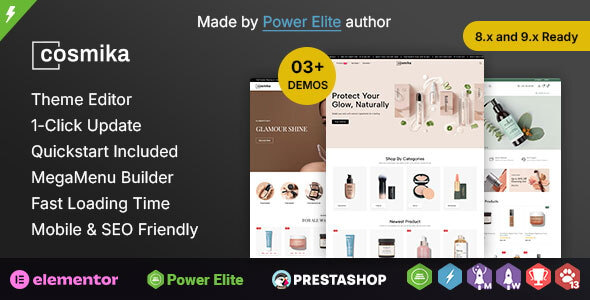
Cosmika - Cosmetics & SkinCare Elementor Prestashop Responsive Theme Cosmika is a beautifully designed and feature-rich PrestaShop theme created specifically for cosmetics...
Gravity Forms EN16931 (e)Invoices for Gravity PDF Gravity Forms EN16931 (e)Invoices for Gravity PDF is a professional WordPress plugin designed to generate...
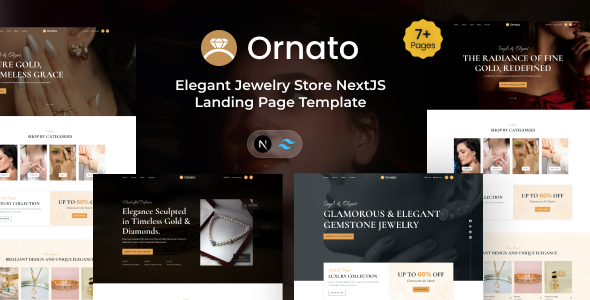
Ornato - NextJS Elegant Jewelry Store Landing Page Template Ornato is a luxurious and professionally crafted NextJS landing page template designed specifically...
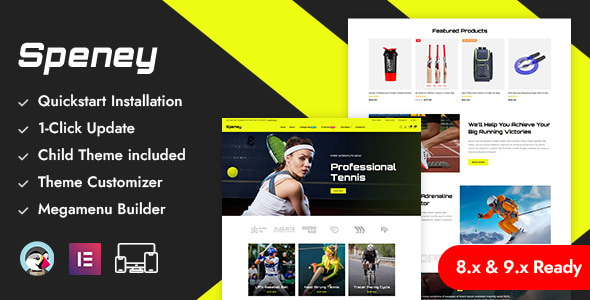
Speney - Sports Store Prestashop Responsive Theme Speney - Sports Store Prestashop Responsive Theme is a dynamic and professionally designed PrestaShop Responsive...
